Assess your project
Bring a vehicle, component or system question. Start with requirements, operating conditions and a comparison of feasible approaches before choosing the next step.
Design. Make. Integrate.
Turn your vision into an engineering programme. From lower-carbon mobility and energy systems to custom products, work with ProDrive EV Labs Ltd on feasibility, design, simulation, prototyping, integration and validation.
A focused study or a coordinated development programme, scoped around your requirements.
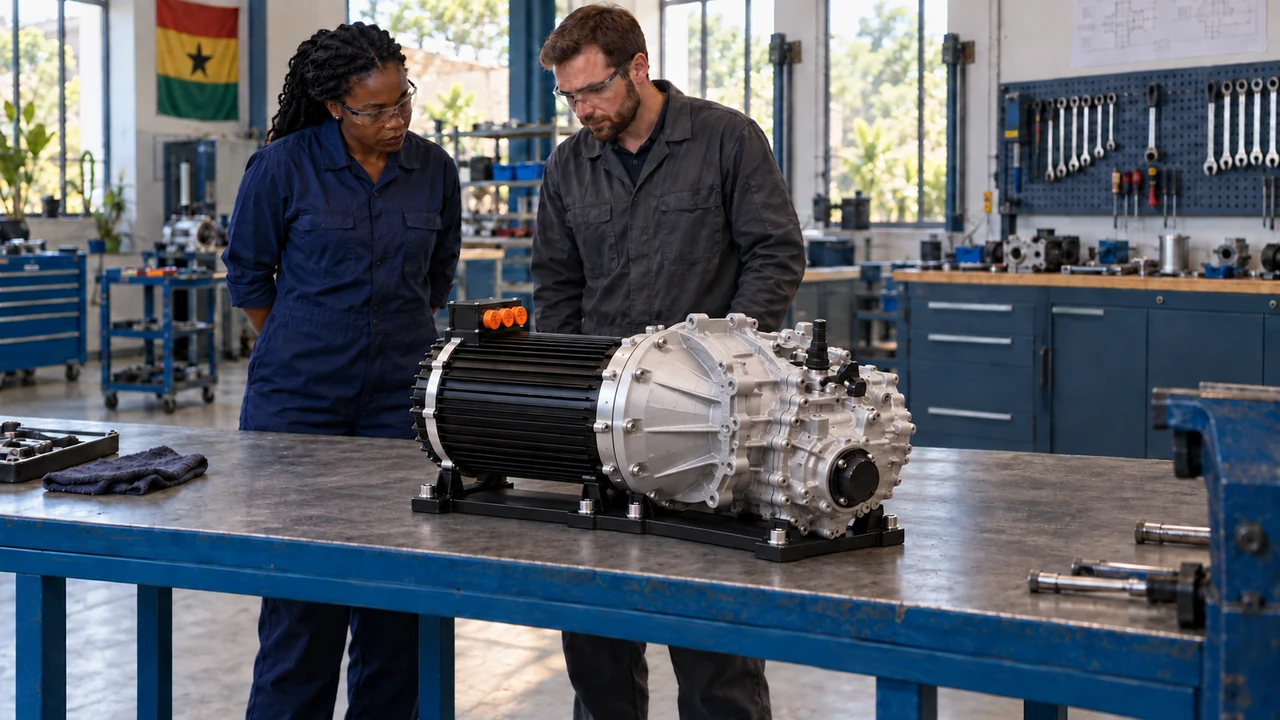
Develop mechanical assemblies, drivetrain interfaces and packaging around loads, fit, service access and the intended duty.
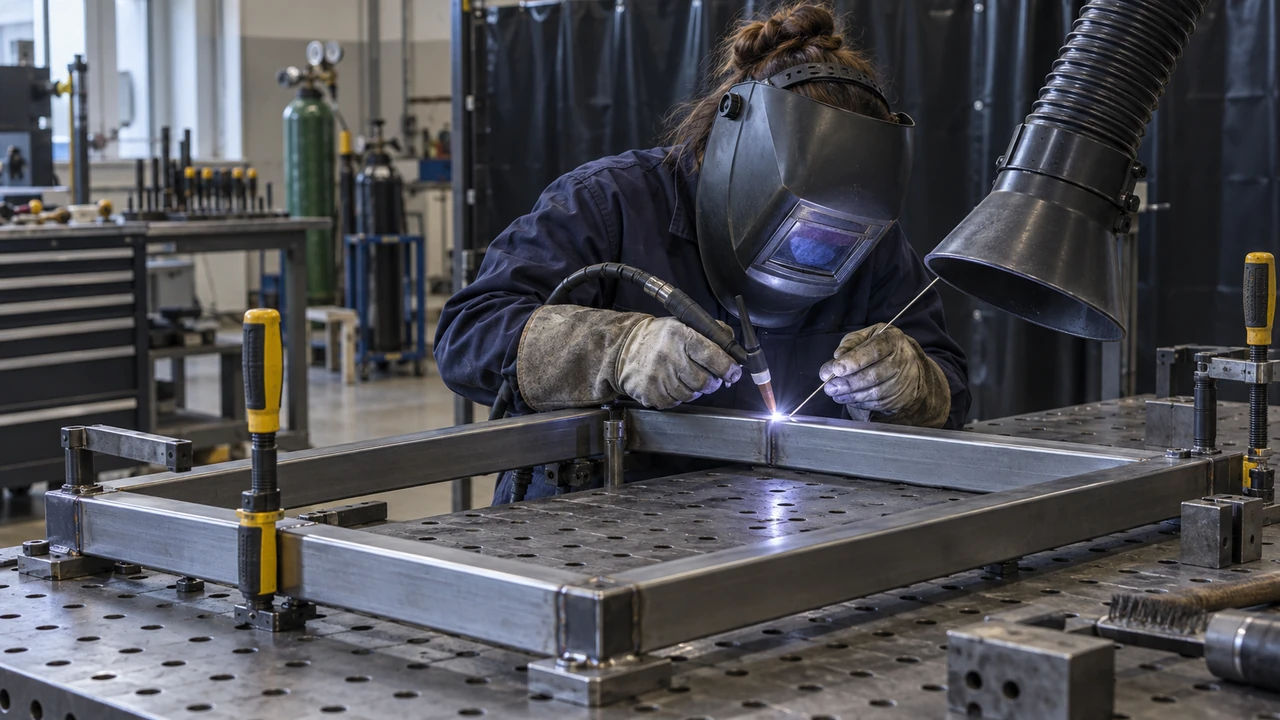
Develop mounts, frames and enclosures through material selection, joint design, welding and assembly planning.
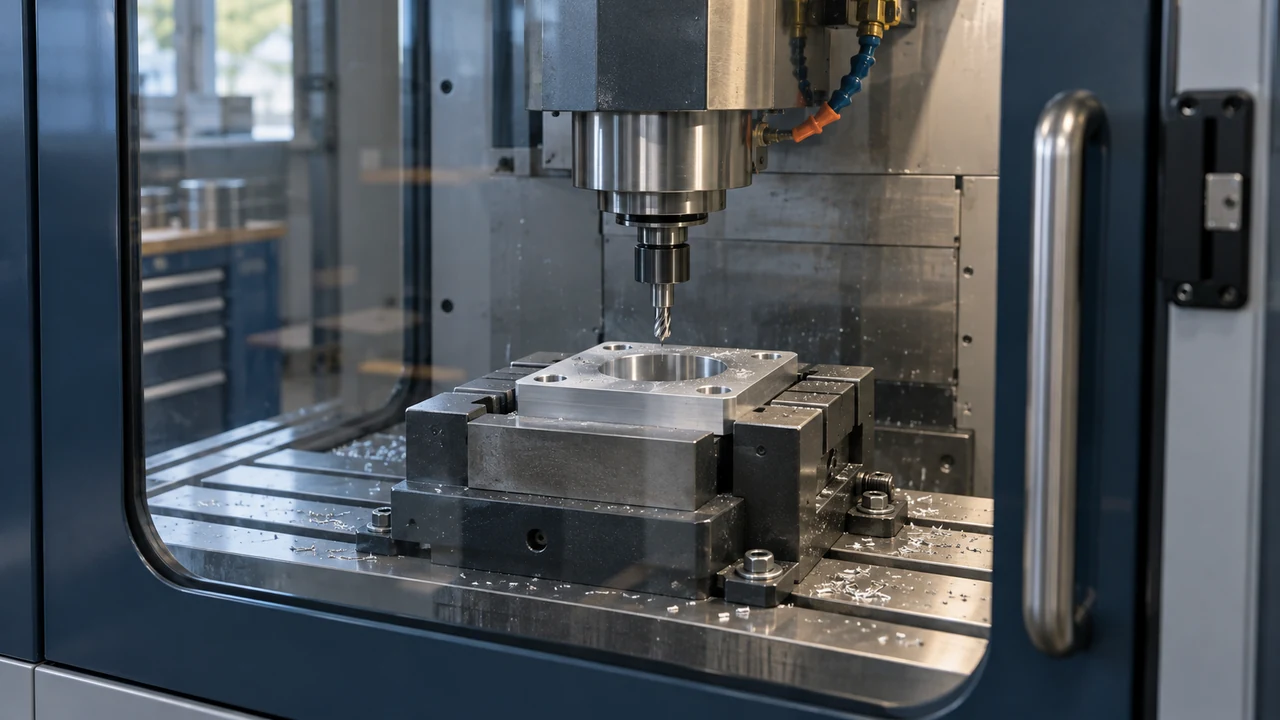
Plan CNC-machined components around geometry, material, critical features and fit, from prototype part to assembly.
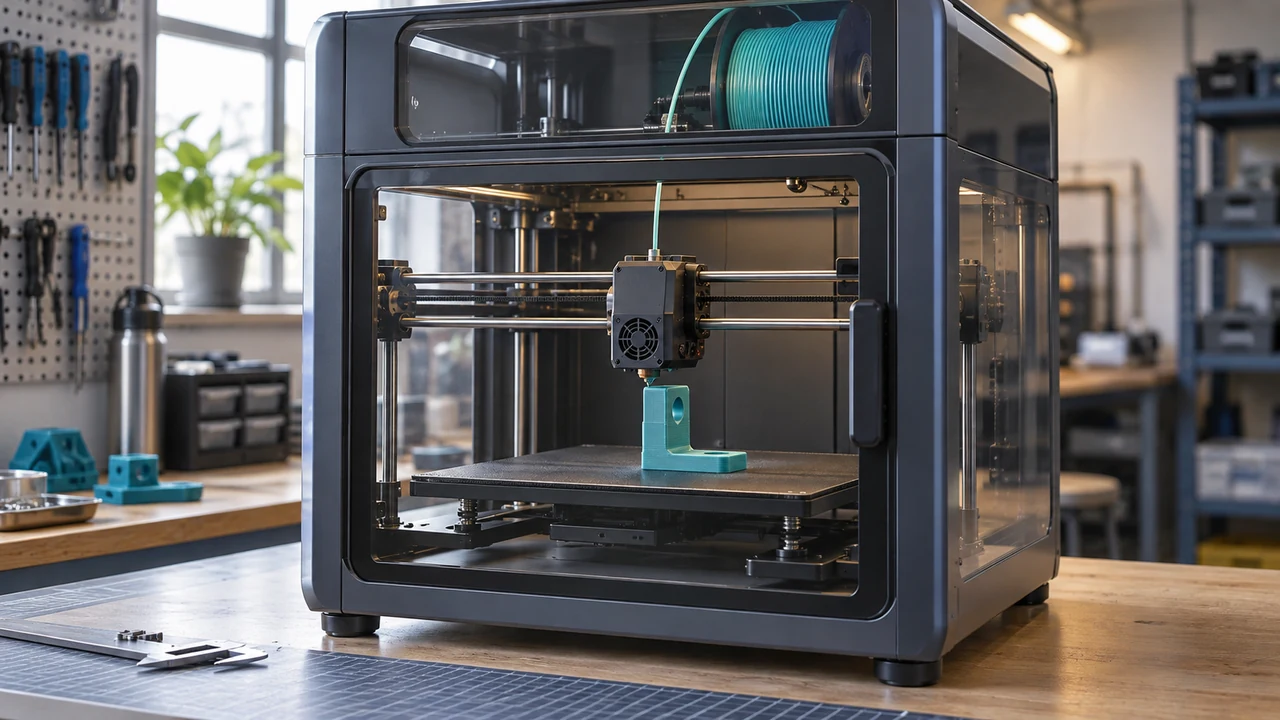
Use 3D printing to develop prototypes, fixtures and housings, exploring form, fit and assembly before further manufacture.
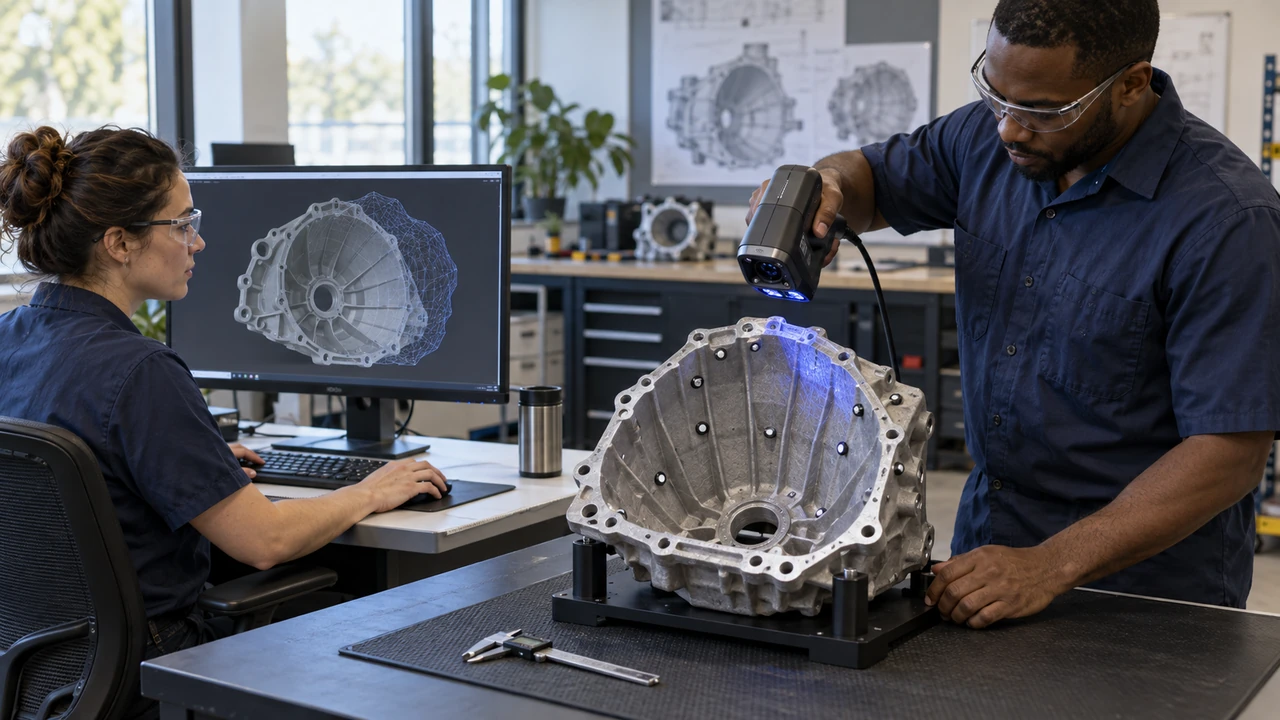
Combine 3D scanning, measurement and CAD to document existing parts and develop geometry for packaging and integration.
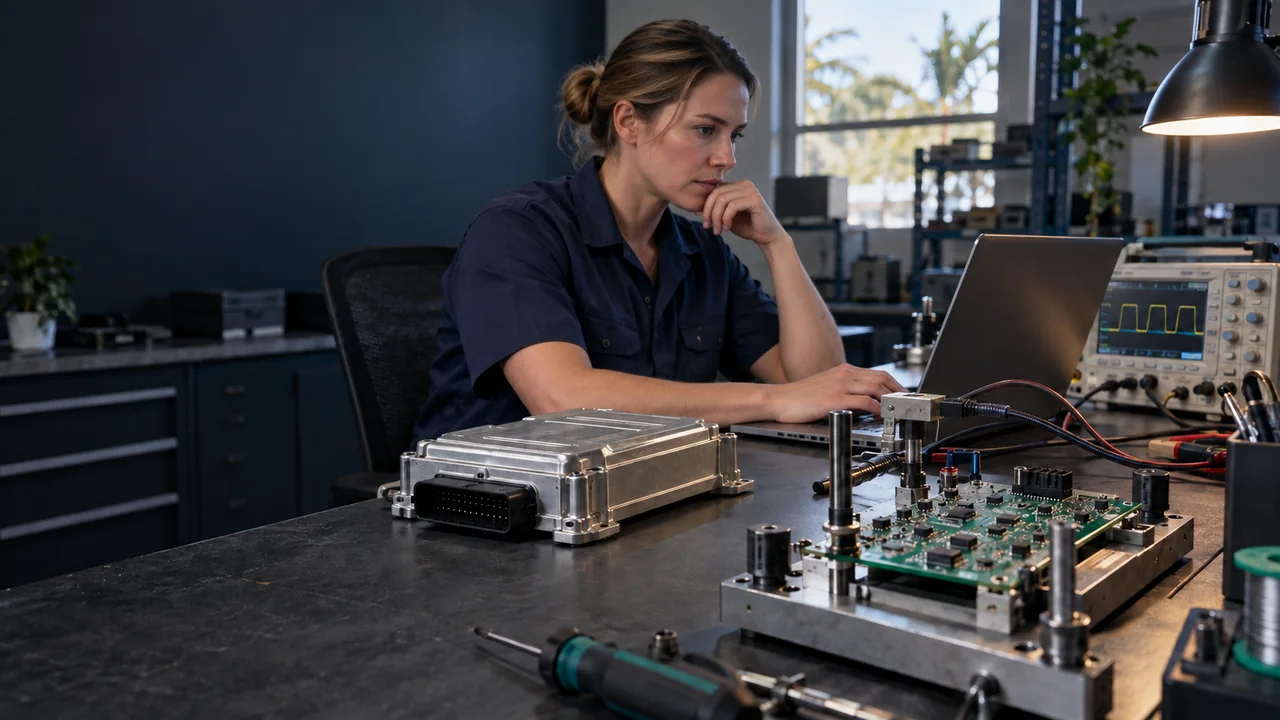
Develop sensing, embedded software, CAN communications and diagnostic interfaces as one connected control system.
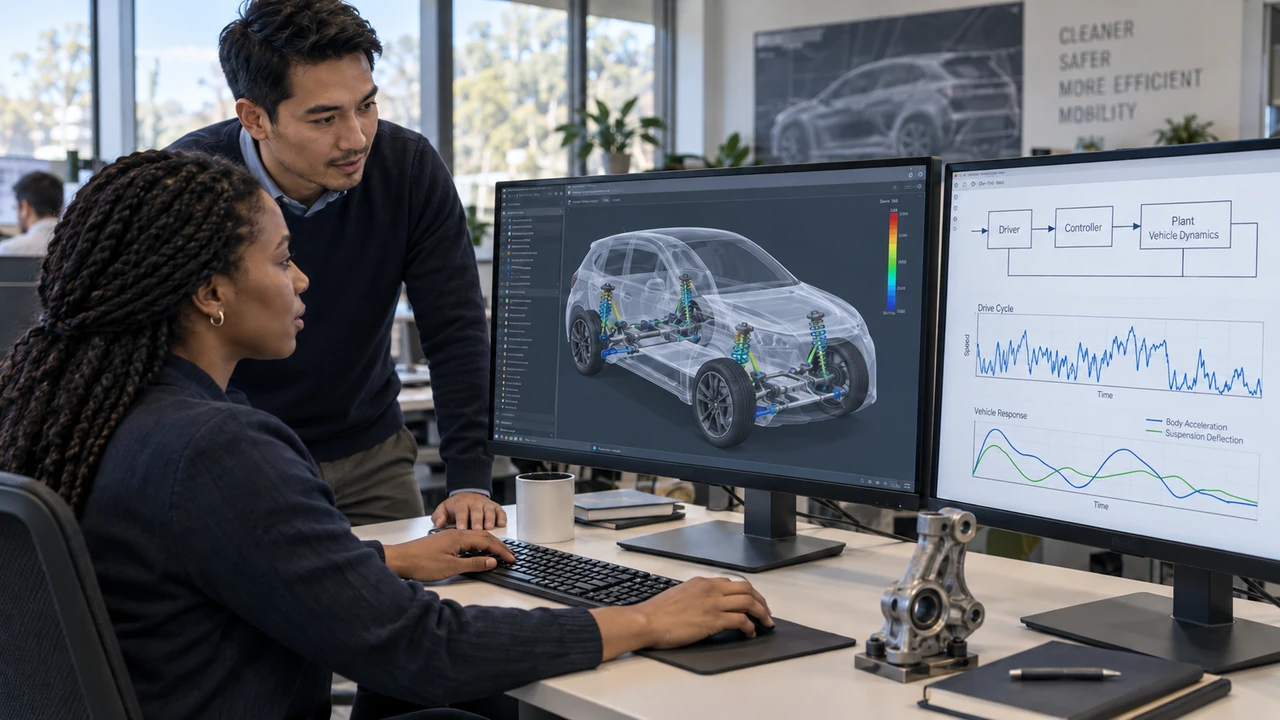
Explore vehicle and control-system behaviour through models, scenarios and configuration-specific comparisons.
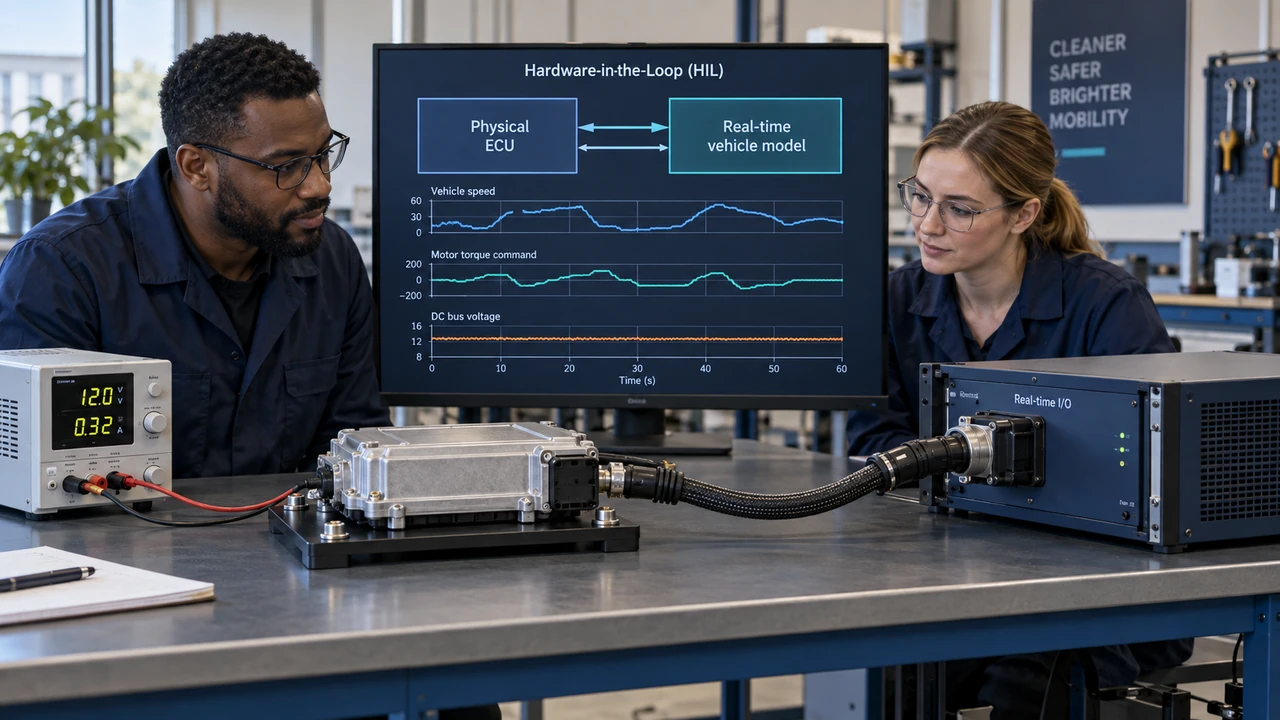
Plan model, software and hardware-in-the-loop test stages around the controller, plant model and evidence needed.
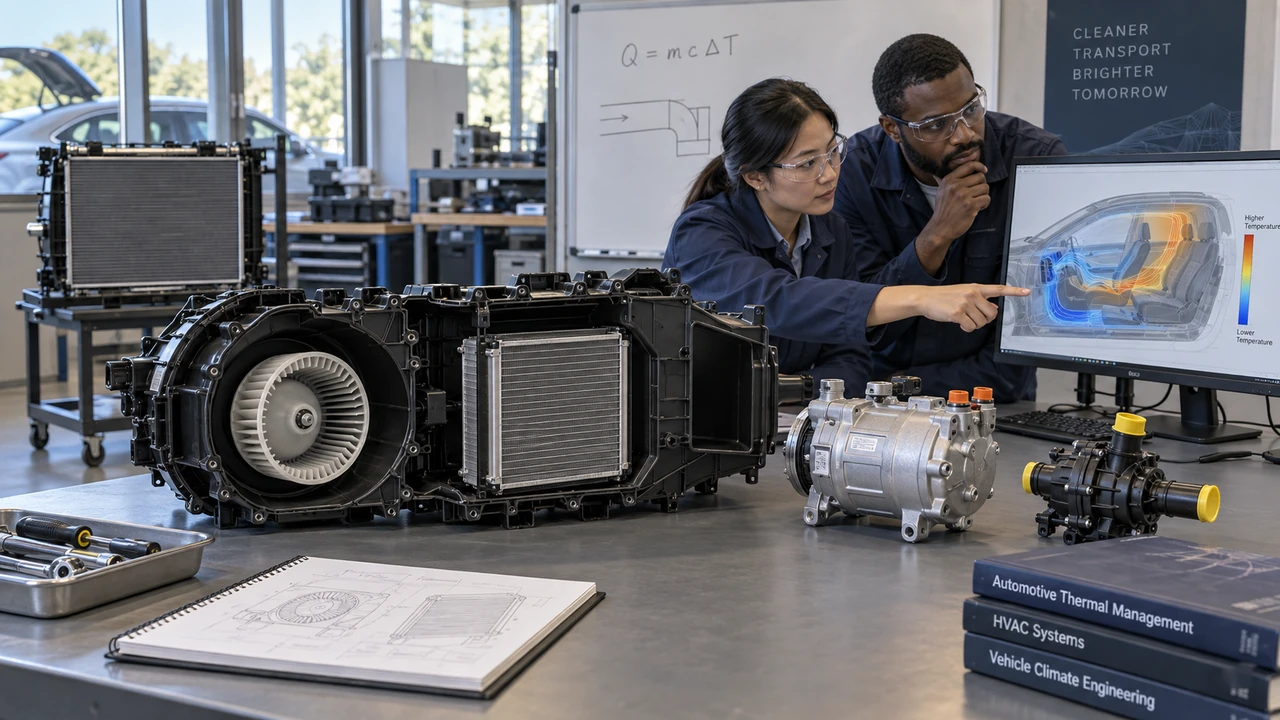
Develop cooling and airflow layouts around heat loads, packaging, ambient conditions and control requirements.
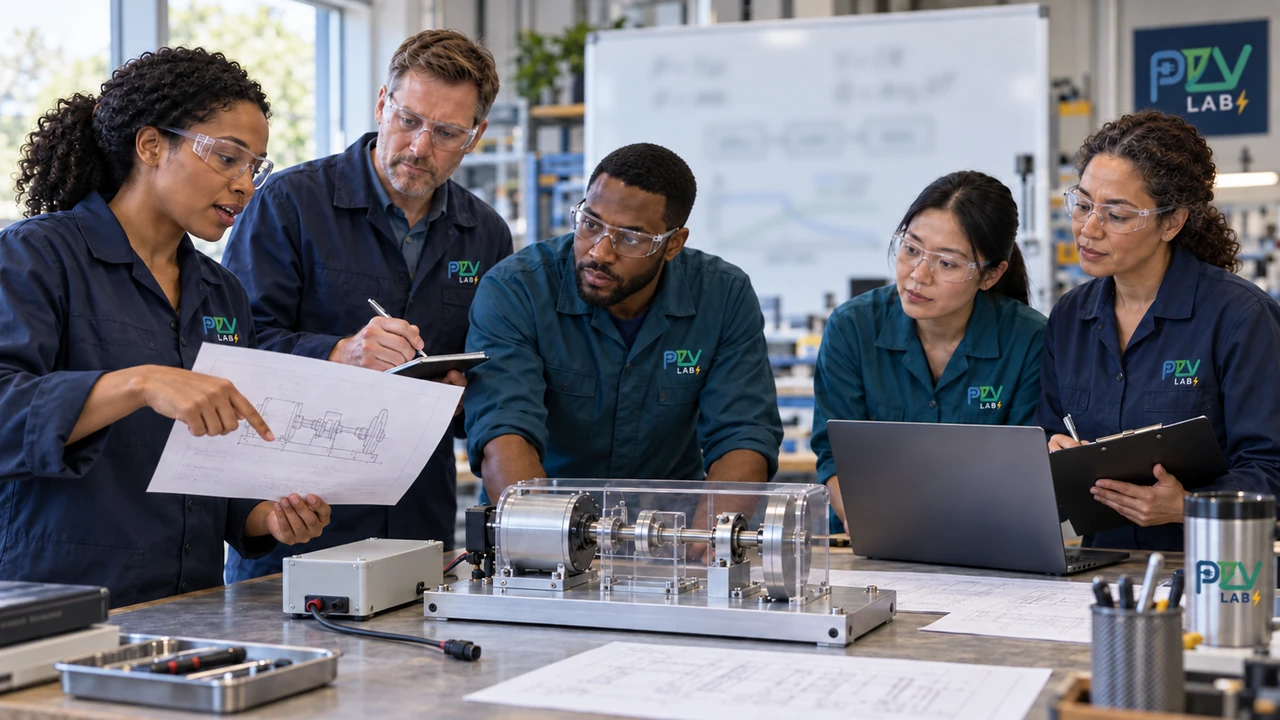
Turn engineering questions into models, prototype experiments and documented design decisions.

Support technical analysis, retrieve project knowledge and automate repeatable work, with engineers reviewing the results.
Working with your team
Start at the stage you need. Agree the objectives, interfaces, deliverables and review points, then connect the disciplines your project requires.
Start with the mechanical assembly, powertrain interfaces, installation space and service access. Define the fitting and integration work around the vehicle or system requirements.
Review materials, joint design, intended loading and assembly methods before agreeing the fabrication approach and inspection needs.
Bring drawings or an existing part. Agree material, critical features, fit and finishing requirements before choosing the machining approach.
Use 3D printing to explore shape, clearances and assembly. Select a material and printing process around the prototype, fixture or housing and its intended use.
Capture existing geometry through measurement and 3D scanning, then develop CAD models and drawings around interfaces, packaging and assembly requirements.
Link electrical architecture to sensing, embedded software, CAN communications and diagnostics, with verification tied to the hardware and software configuration.
Define model scope, input data and operating scenarios before comparing vehicle and control-system behaviour. Record assumptions and relate results to the model configuration.
Structure model-in-the-loop, software-in-the-loop and hardware-in-the-loop verification as distinct stages. Agree the controller, plant model, interfaces and acceptance evidence required for each stage.
Assess heat sources, cooling circuits, airflow and HVAC requirements together. Review packaging, ambient conditions, sensing and control before defining the thermal-system approach.
Plan focused investigations and prototype experiments, connecting observations to design choices. Keep assumptions, configurations and findings traceable through the next development step.
Build AI-assisted workflows that search technical sources, prepare analysis and reduce repetitive engineering work. Keep source references and human review attached to outputs.
Bring a vehicle, component or system question. Start with requirements, operating conditions and a comparison of feasible approaches before choosing the next step.
Turn an agreed concept into models, drawings, software interfaces and a prototype plan. Connect the disciplines needed for your stage of development.
Bring an existing design or prototype. Define what needs to be demonstrated, plan the checks and review the findings against agreed acceptance criteria.
Choose the outputs needed for your next decision. Scope, formats, responsibilities, review points and use of project information are agreed before work begins.
Clarify the application, technical targets, available information and constraints. Agree responsibilities, deliverables and review criteria with your team.
Compare architectures, develop geometry and analyse system behaviour. Record model assumptions and resolve mechanical, electrical and software interfaces before committing to a prototype.
Develop the prototype in agreed stages, bringing components, controls and supporting systems together. Review fit, function and service access before the next iteration.
Review results against the agreed requirements. Keep simulation, software checks, bench results and vehicle tests distinct, and hand over configuration records, findings and open actions.
A clear brief helps us agree useful work, whether you need a focused study or support through several development stages.
Yes. Start with the question or interface you need to resolve. The scope can focus on a component, model, control function or integration study, with responsibilities defined alongside your existing team.
Describe the application, what already exists, the problem to solve and the decision you need to make. Include operating conditions, available drawings or measurements and any timing or budget constraints. We can identify missing information together.
Agree the requirements and acceptance criteria first. Results identify the model or hardware configuration, method, assumptions and limits. A simulation result, bench observation and vehicle test are different forms of evidence; each supports its own stated conclusion.
Start with vehicle condition, route, payload, gradients, auxiliaries and charging access. Power and range requests guide assessment; they are not confirmed ratings or a guarantee of suitability. Explore conversion applications or bring your fleet brief to the initial discussion.
Before exchanging sensitive material, agree how project information may be used and shared. The scope should define deliverables, file formats, access, ownership and the handover your team needs.
We are shaping practical learning opportunities around engineering projects. Tell us your experience, learning goals and organisation. Format, supervision and availability need to be agreed before a place is confirmed. Register your interest.
Tell us what you want to develop, what already exists and where you need support. Share your brief, drawings or specifications to start the conversation.
Discuss Your ProjectOne connected approach
Vehicle, energy and control decisions often depend on each other. Explore the related solutions.