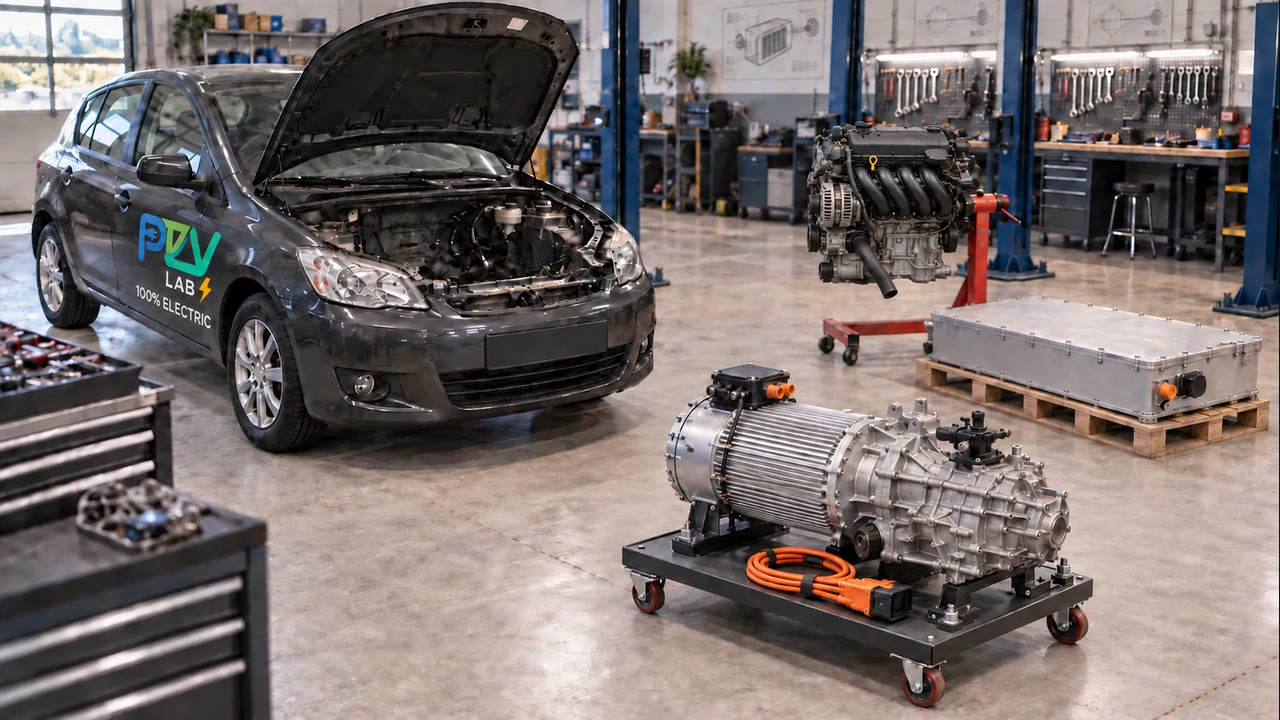
Your daily vehicle
Start with the vehicle condition, regular journeys and where it could charge.
Give a suitable vehicle a new electric chapter. A circular-engineering approach brings powertrain, battery, charging and controls together around the body you retain, the work it does and its remaining service life.
Your project, in context
Explore practical applications, then see how we assess and develop your project.
Start with the vehicle condition, regular journeys and where it could charge.
Compare vehicle categories, route patterns, loads and operational needs before defining scope.
Bring the intended configuration, integration questions and evidence needed for the next review.
Electric possibilities
Assess each vehicle against its route, load and operating needs.
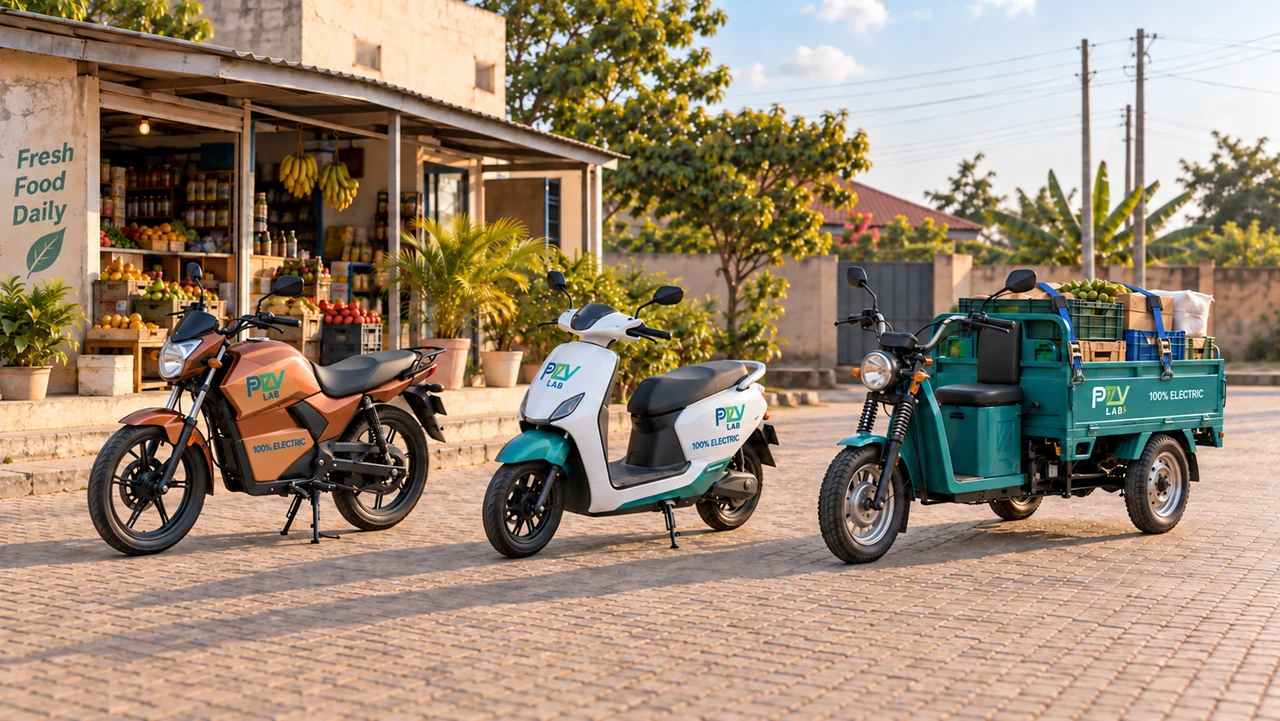
Mopeds, scooters, motorcycles and passenger or cargo trikes. From individual journeys to neighbourhood deliveries, plan the conversion around the rider, load and daily route.
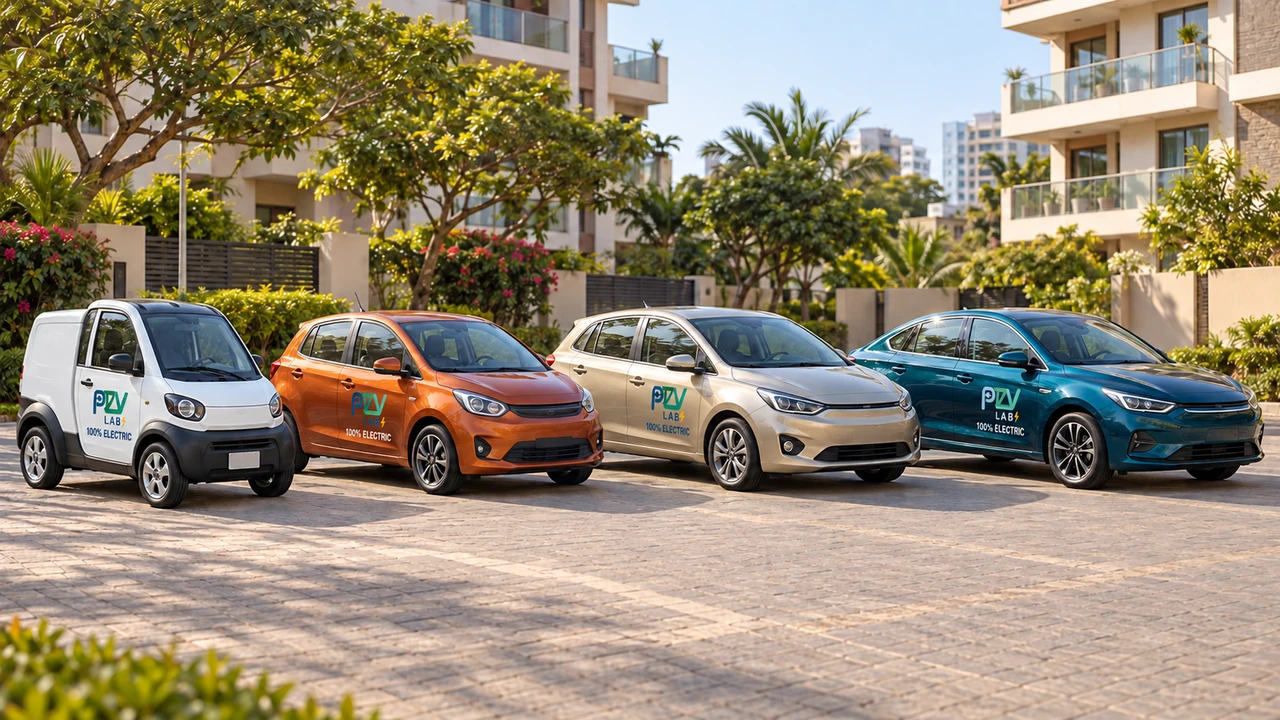
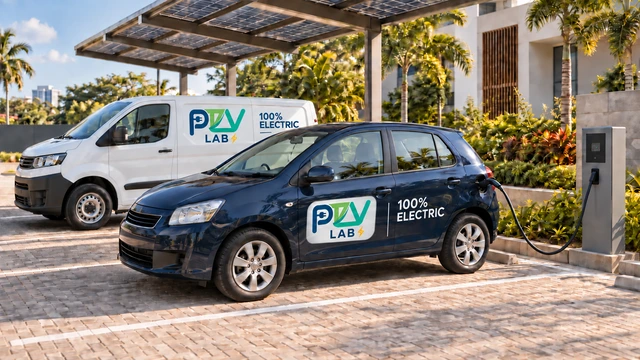
Microcars, city cars, compact hatchbacks and sedans for private travel, family life and taxi work. Start with the vehicle condition, the journeys it needs to cover and your project budget.
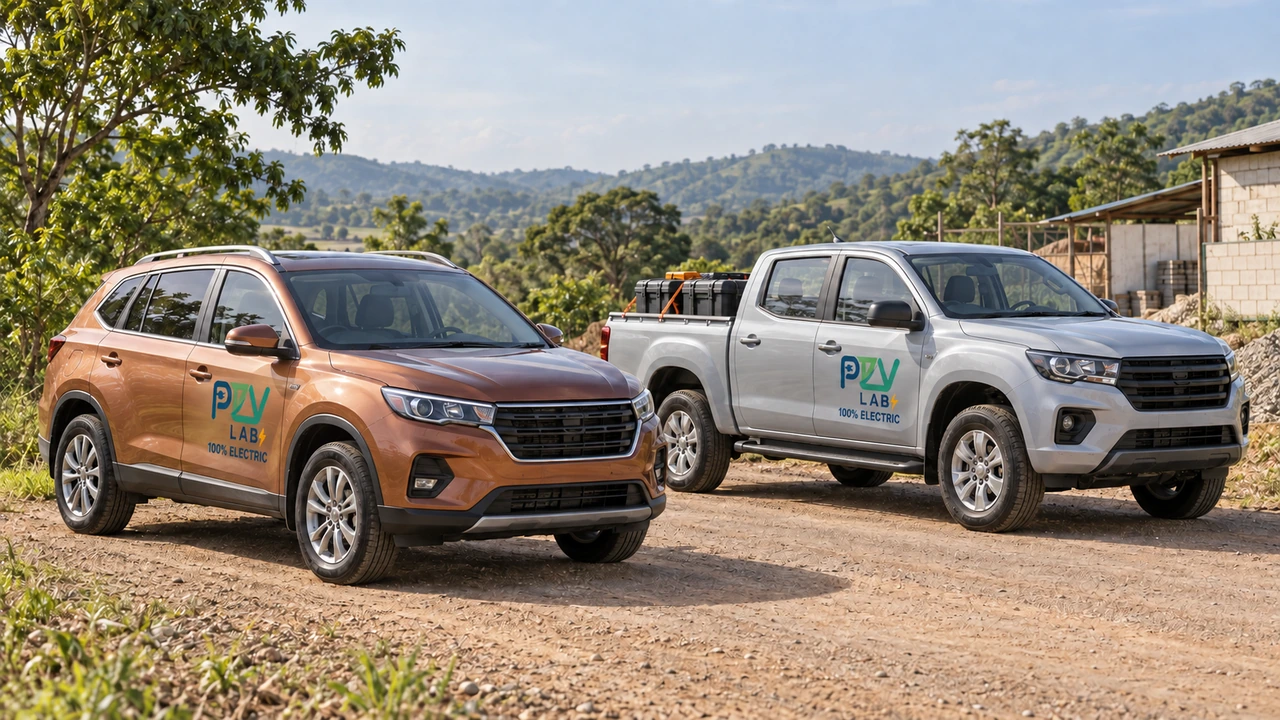
Crossovers, SUVs and single- or double-cab pickups for family journeys, practical loads and access to working sites. Body style and driven wheels are assessed separately; an SUV or pickup is not automatically four-wheel drive.
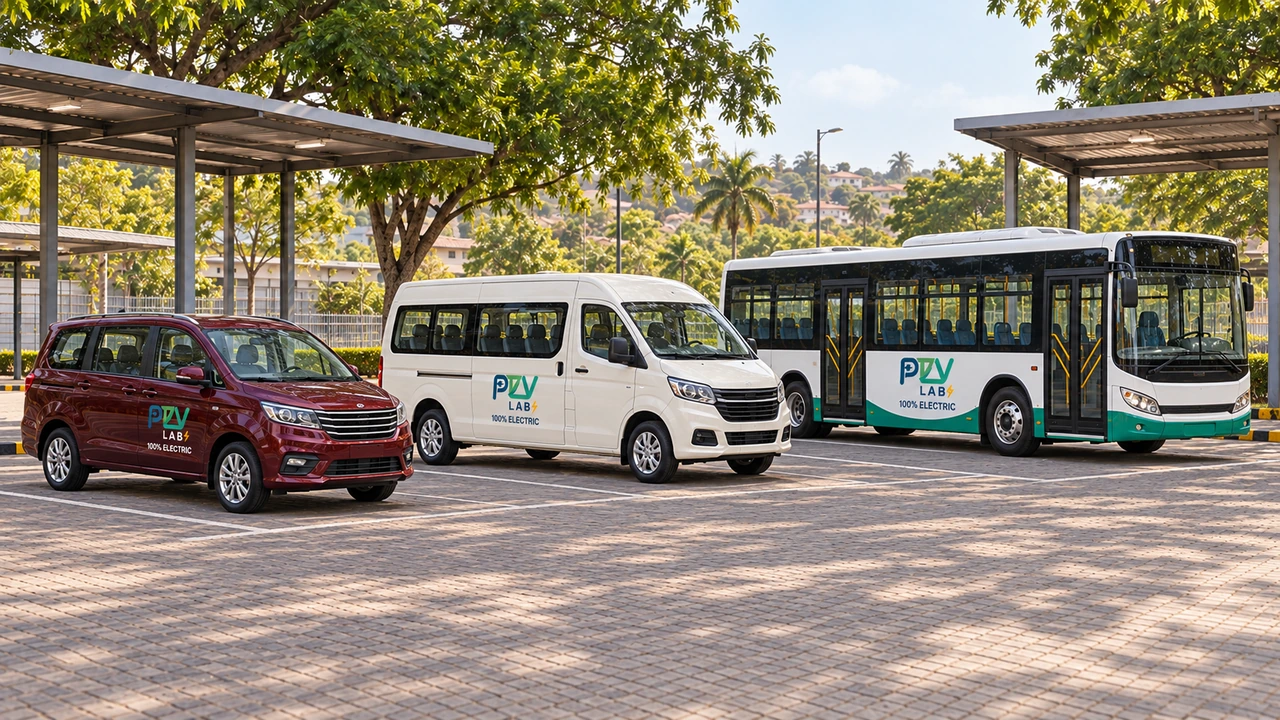
Passenger MPVs, shuttle vans, minibuses, buses and coaches. Plan around seating, accessibility, repeated stops, route length and the time available to recharge between services.
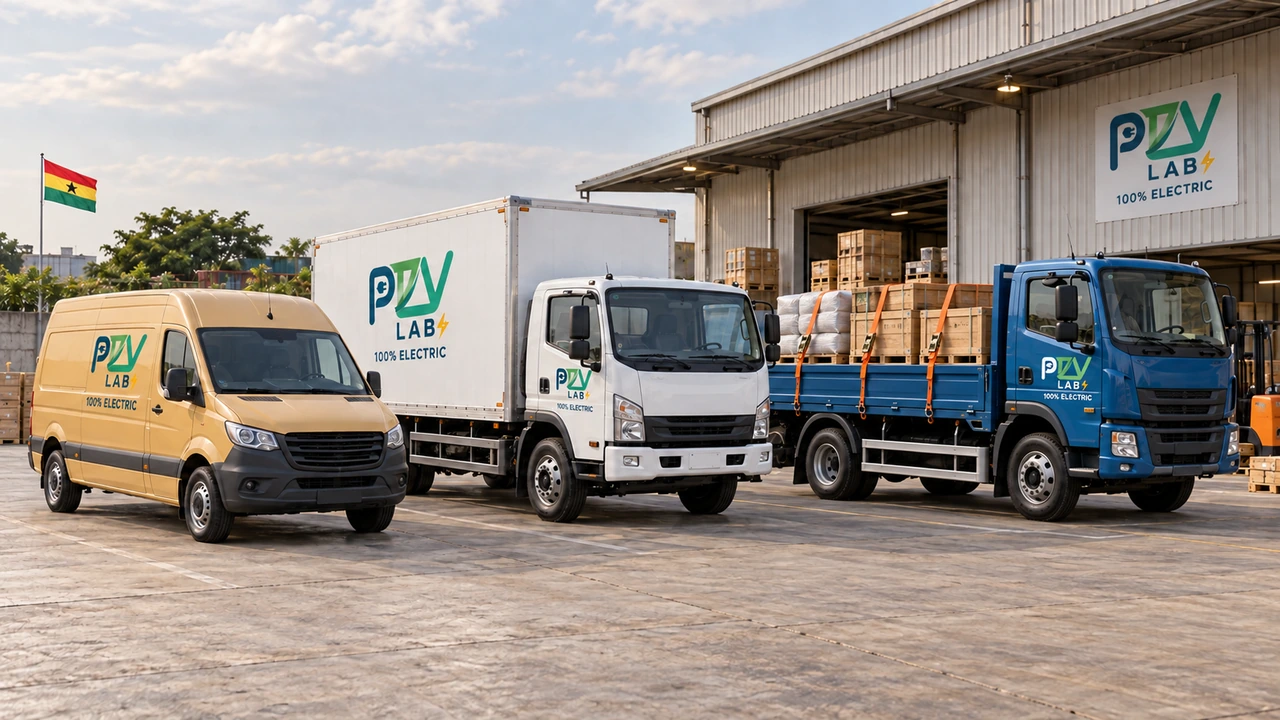
Light commercial panel vans and chassis cabs, enclosed box trucks and fixed-bed open-sided goods trucks. Match the electric system to the cargo body, payload, route and working cycle, with suitable anchorage and restraint for the load.
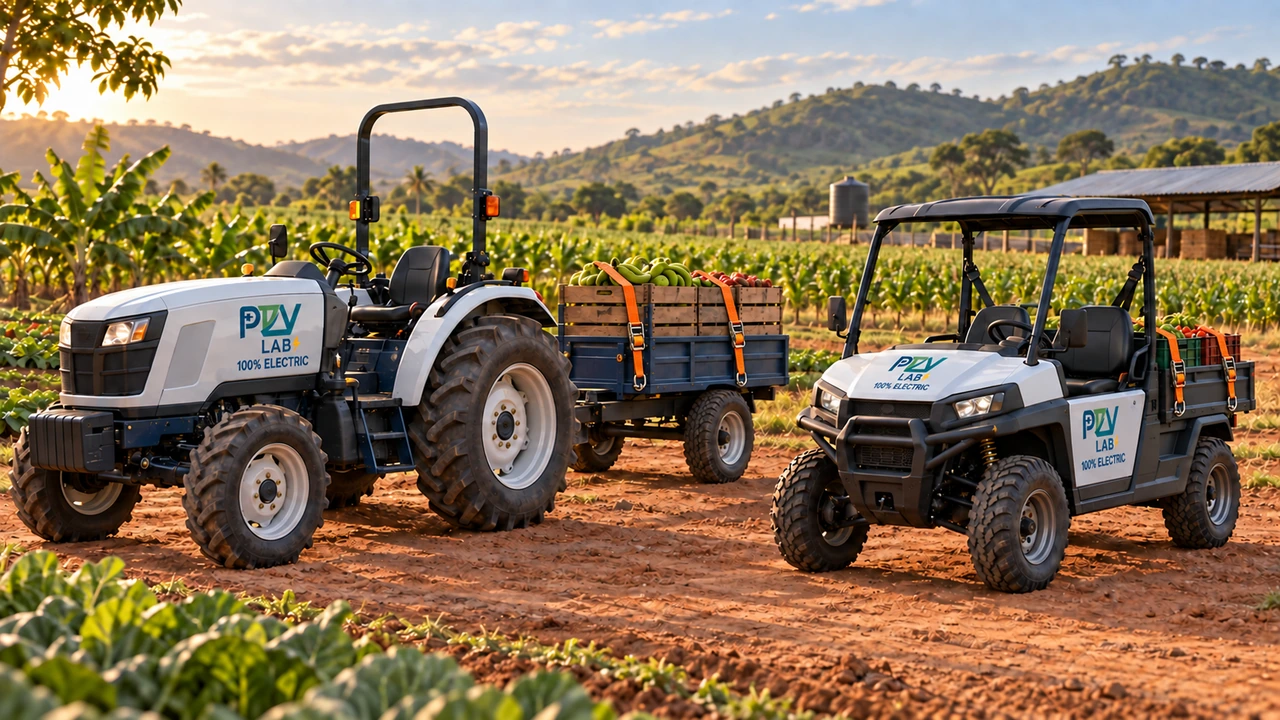
Compact tractors, harvest carriers and farm utility vehicles work to a different rhythm. Plan electric conversion around the job, the ground and the equipment it needs to power.
Vehicles shown illustrate conversion possibilities. Vehicle condition, packaging, mass limits and applicable approval requirements determine the scope. Tell us about your vehicle, daily tasks and operating conditions.
Start with the vehicle's condition, available space, payload and daily use. These define feasibility, range targets and the proposed scope.
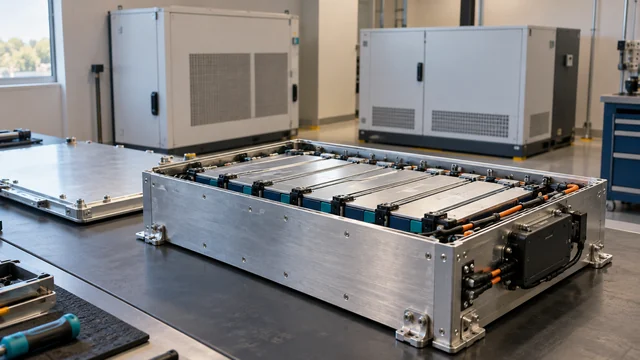
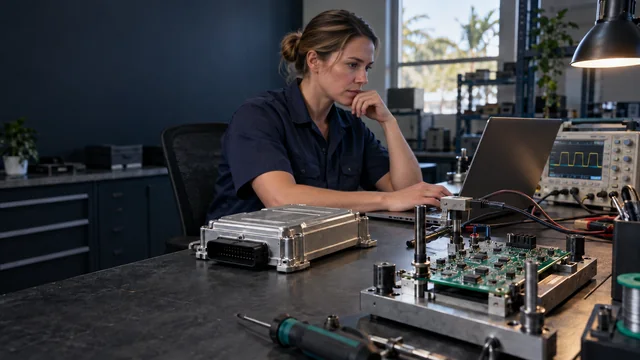
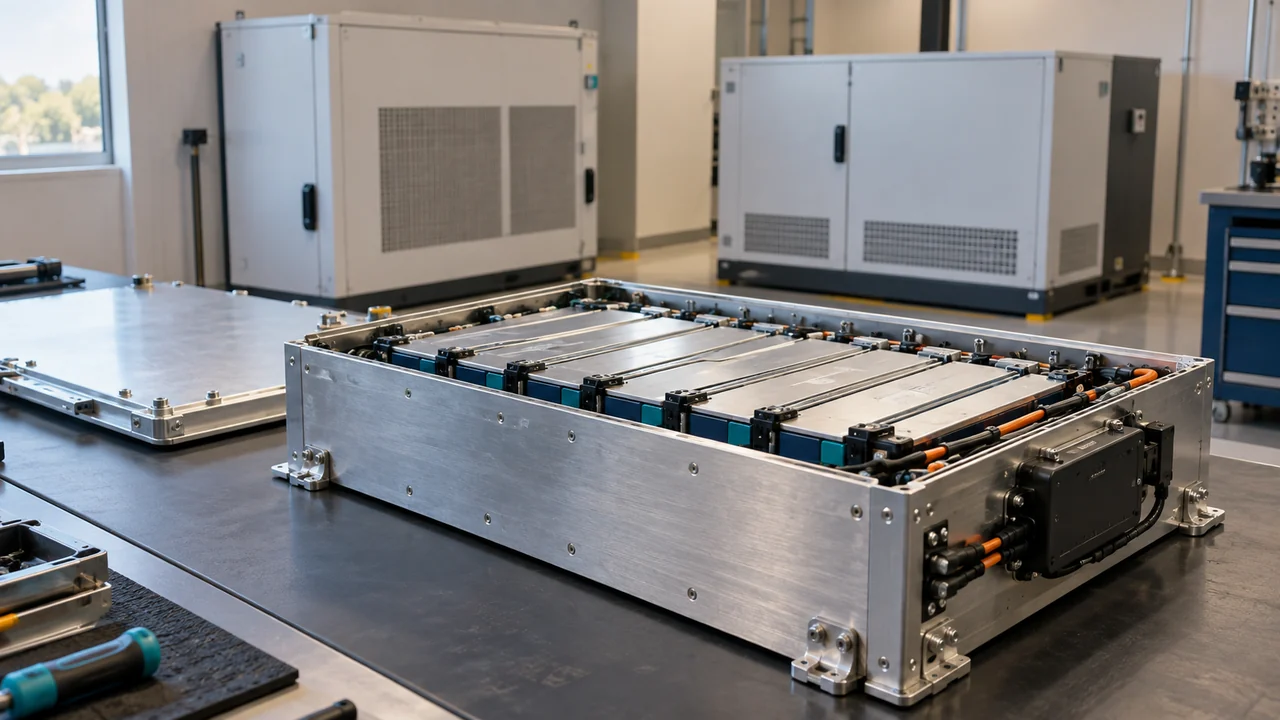
Develop the motor, battery, mounting, wiring and control interfaces as one system, with compatibility checked before installation.
Define the electrical, mechanical and control checks for the selected configuration, including the evidence needed before commissioning.
Agree the commissioning and road-use requirements, documentation and support scope. Testing follows the approved plan and applicable permissions.
Share the make, model, condition and daily journey. We can start with a focused assessment of the conversion scope.
Discuss Your ProjectOne connected approach
Vehicle, energy and control decisions often depend on each other. Explore the related solutions.