Business continuity
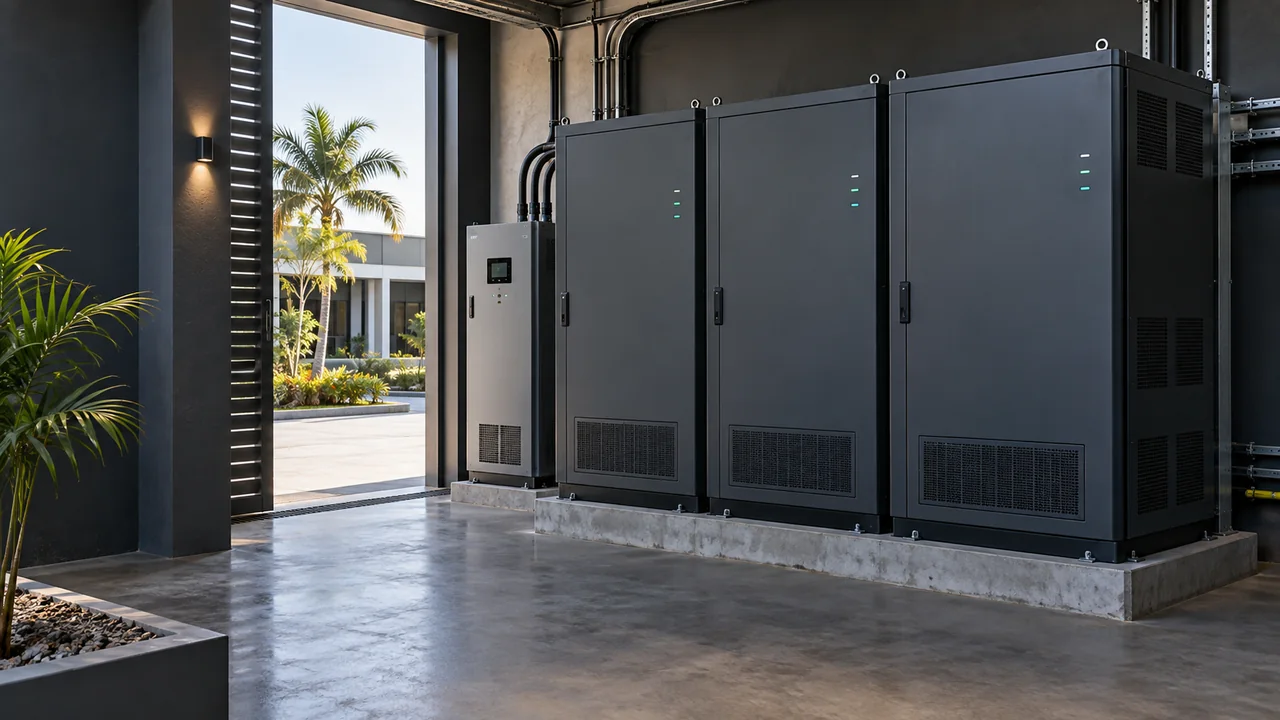
Identify essential loads, operating hours and the backup target to assess.
Store energy. Support resilience. Make better use of renewable generation. Battery storage connects your demand, available supply and operating priorities in one considered system.
Your project, in context
Explore practical applications, then see how we assess and develop your project.
Identify essential loads, operating hours and the backup target to assess.
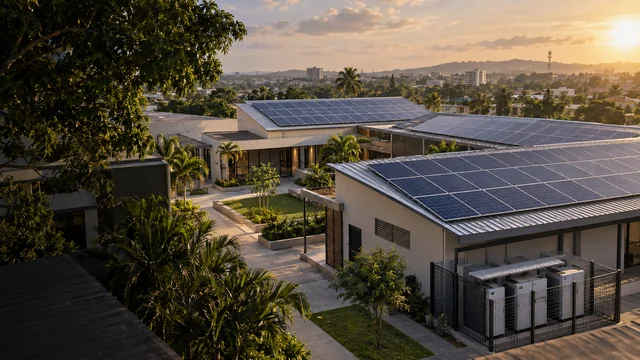
Bring your generation profile, demand pattern and existing equipment into one energy plan.
Describe supply interruptions, site conditions and access for maintenance.
Review consumption, peak demand and essential loads. Set a backup-duration target and budget before selecting equipment.
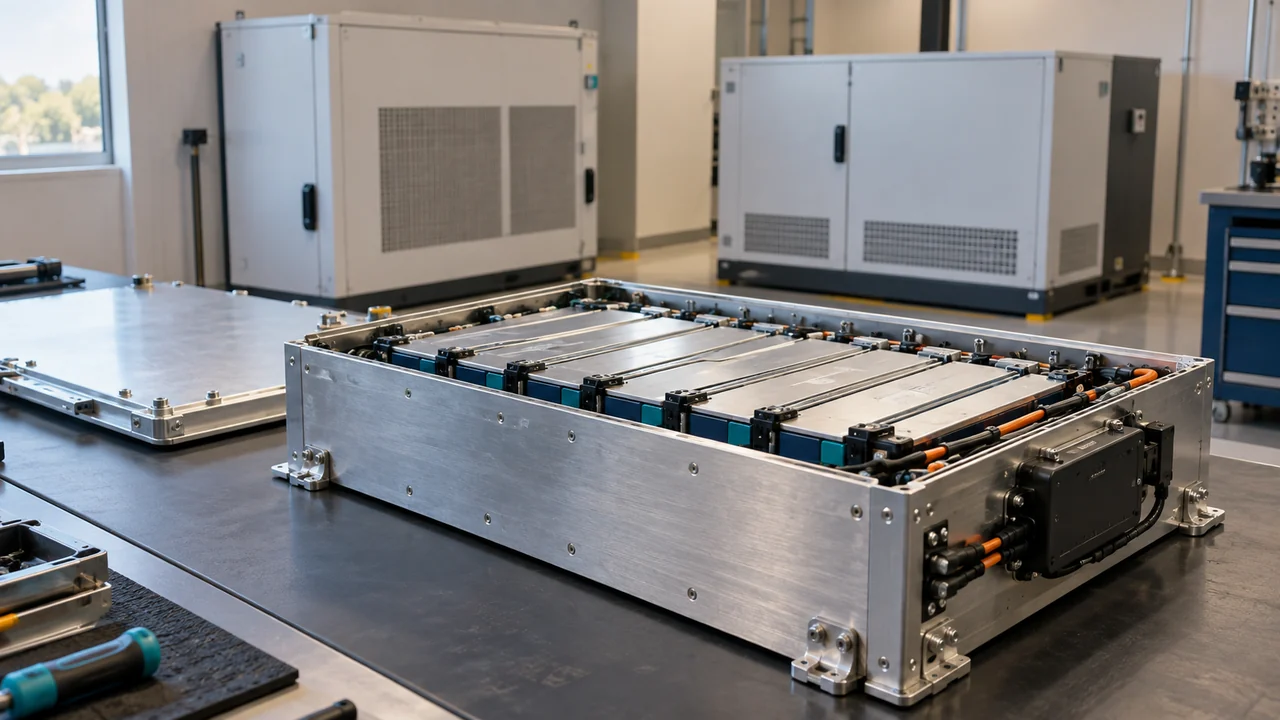
Assess battery condition, inverter compatibility, protection and thermal requirements together. Second-life modules require suitability checks.
Define the installation scope, electrical interfaces and site requirements, including the responsible installation and approval parties.
Plan load tests, protection checks and monitoring for the agreed configuration, with results and operating limits recorded at handover.
Share a recent electricity bill, your essential equipment and the hours of backup you need. These are the starting point for sizing.
Discuss Your ProjectOne connected approach
Vehicle, energy and control decisions often depend on each other. Explore the related solutions.