Electric vehicle
conversions.
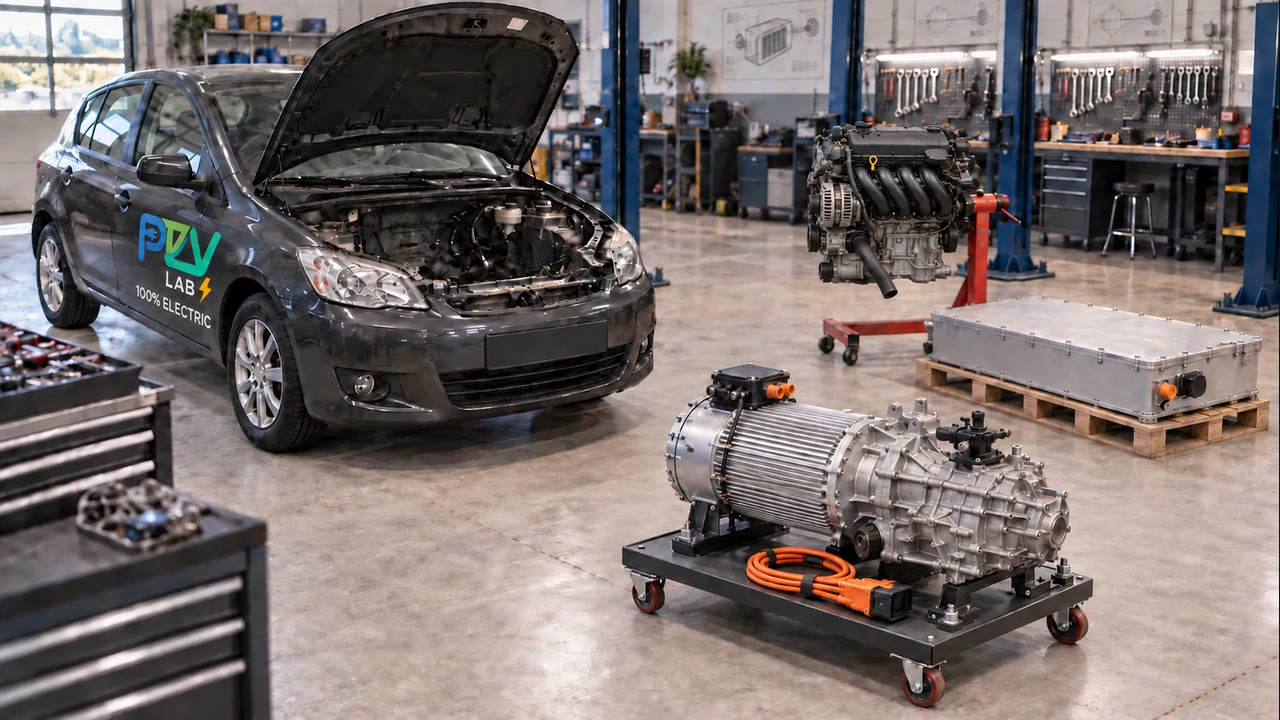
Assess the motor, driveline, battery and controls for your vehicle.
Explore EV ConversionsVehicle conversions, battery storage, charging and solar micro-grids.
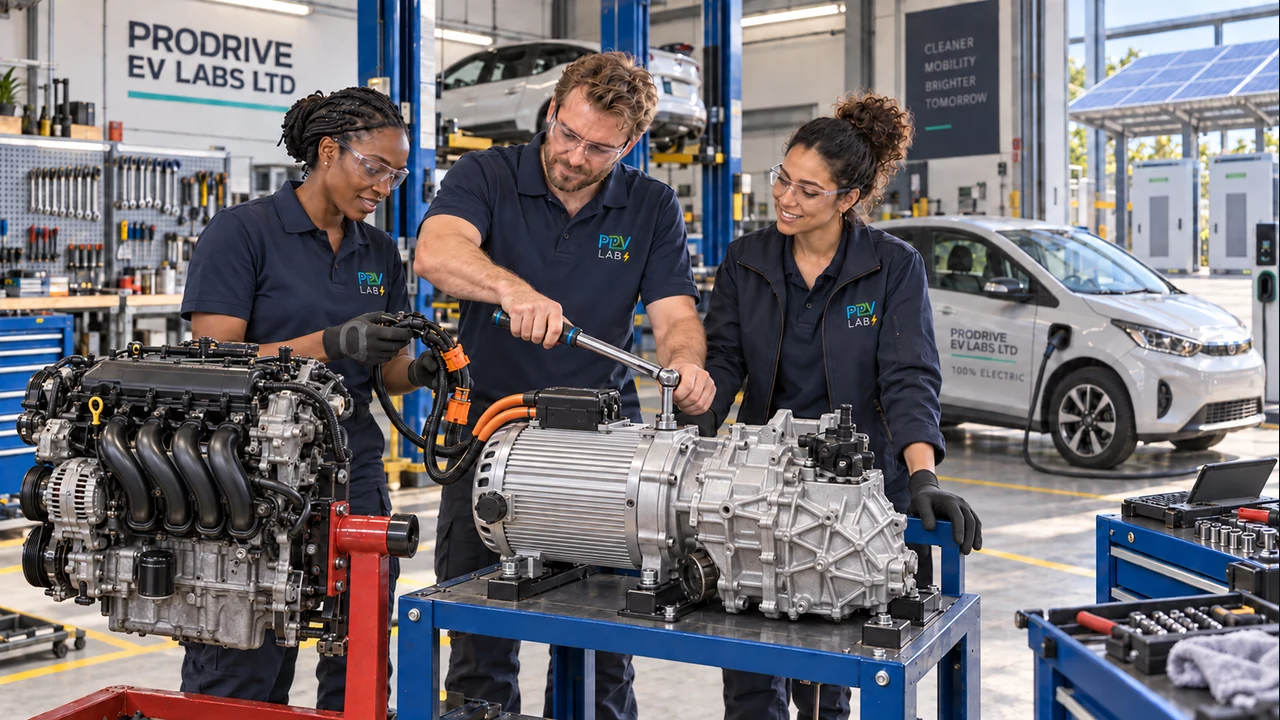
ProDrive EV Labs Ltd is an engineering firm based in Ghana, working across electric powertrain conversions, battery energy storage, charging infrastructure and solar-integrated micro-grids.
We assess vehicle reuse, renewable energy integration and maintainable system designs.
Our StoryEngineering services
Assess the motor, driveline, battery and controls for your vehicle.
Explore EV Conversions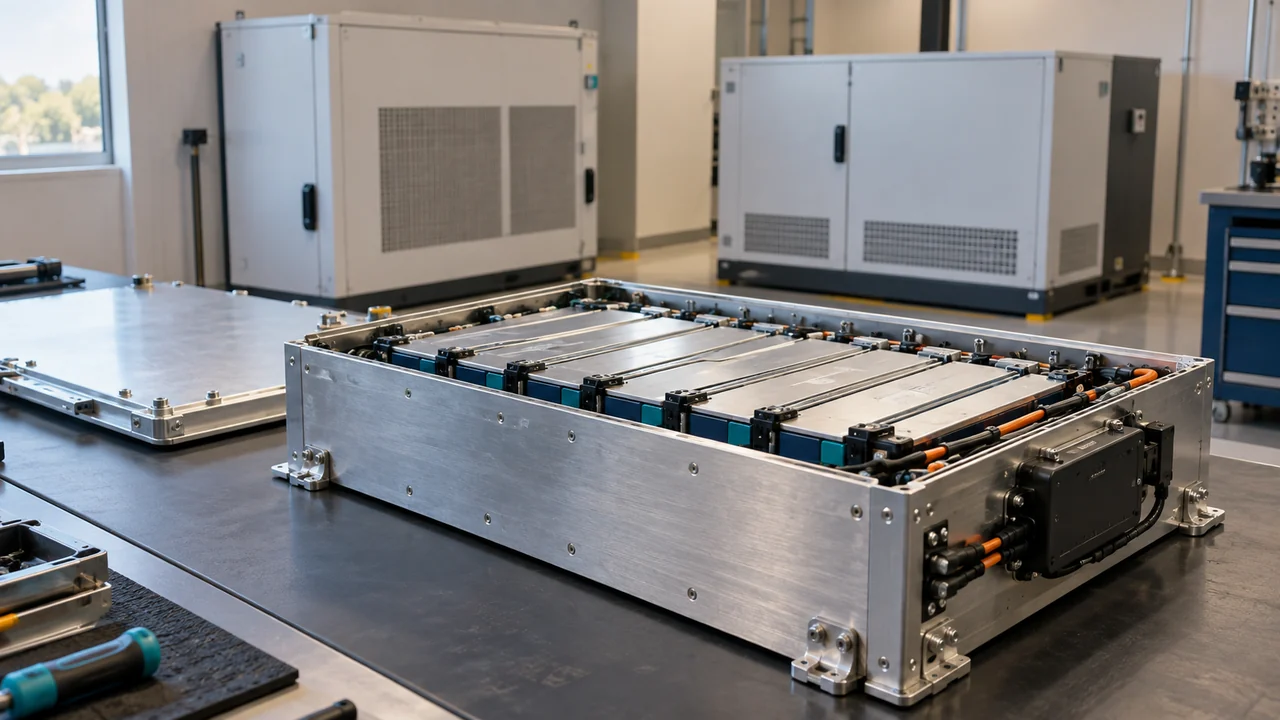
Size battery storage and monitoring for your loads, supply and operating conditions.
Explore Energy Solutions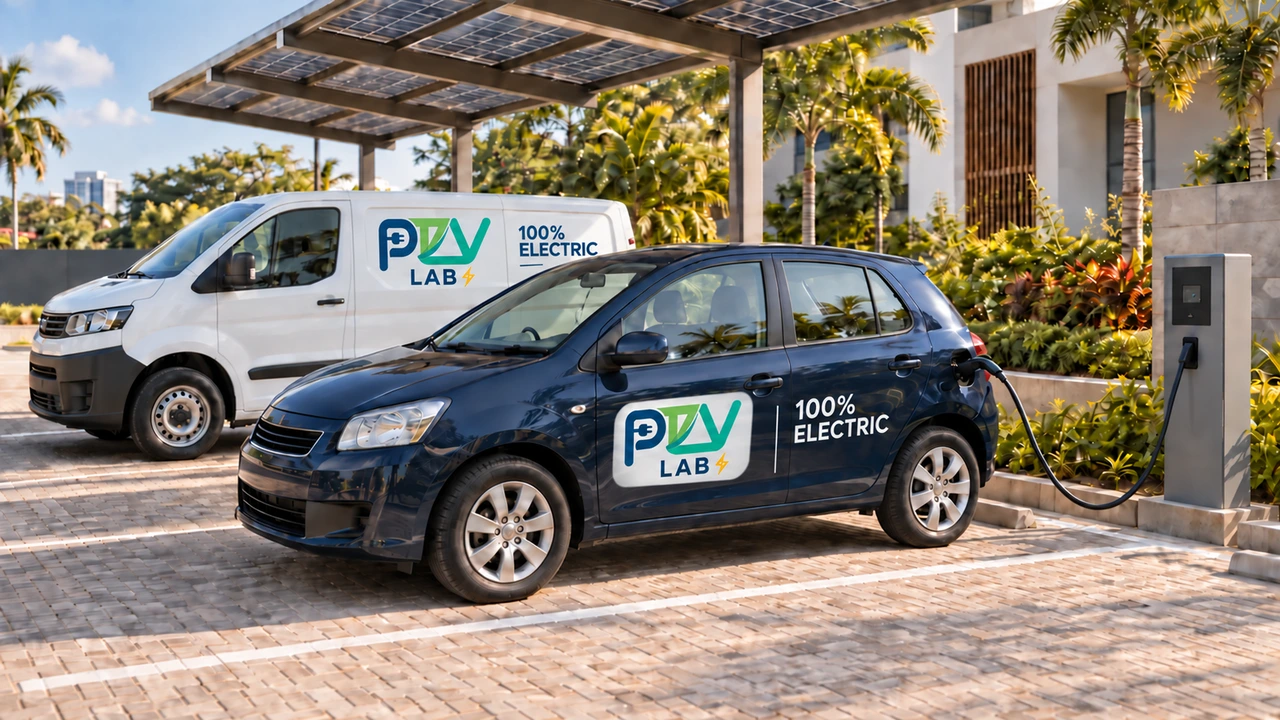
Plan charging around vehicle compatibility, electrical supply and site use.
Explore Charging Solutions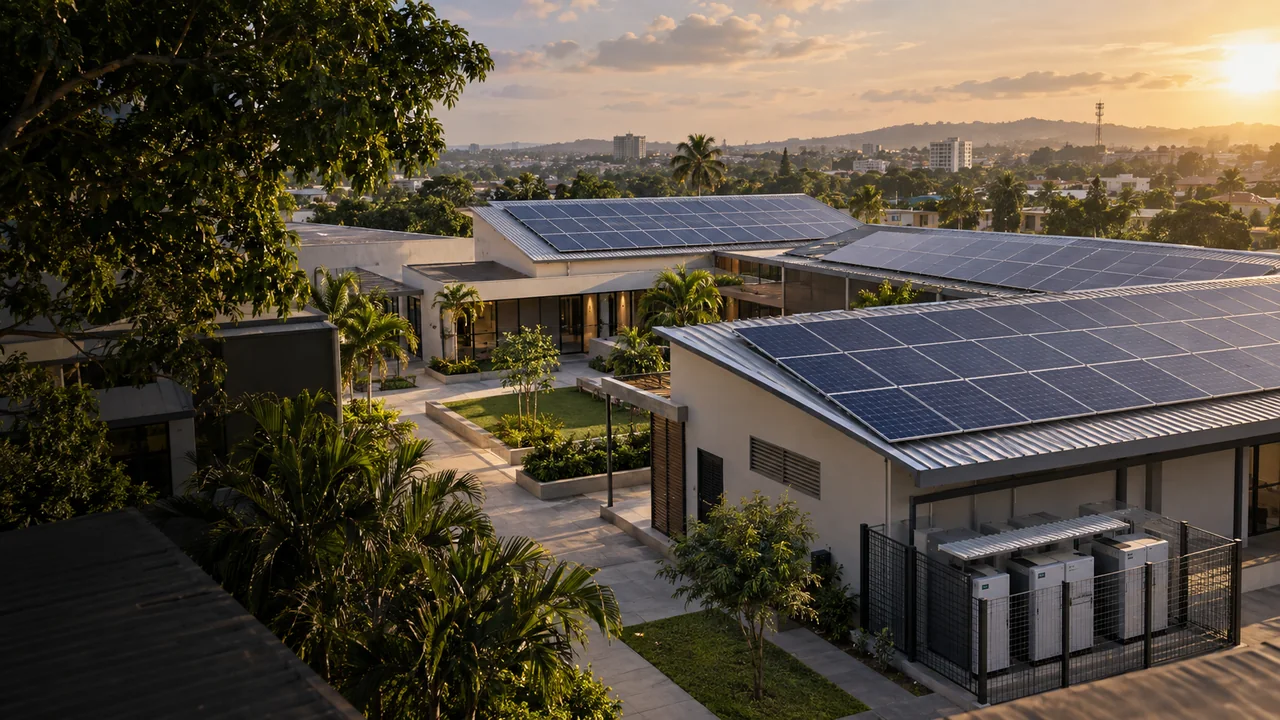
Integrate solar, storage and load management with your site and grid connection.
Explore Solar & Micro-GridsDesign, simulation, prototyping and integration for components and systems.
Explore Engineering & R&D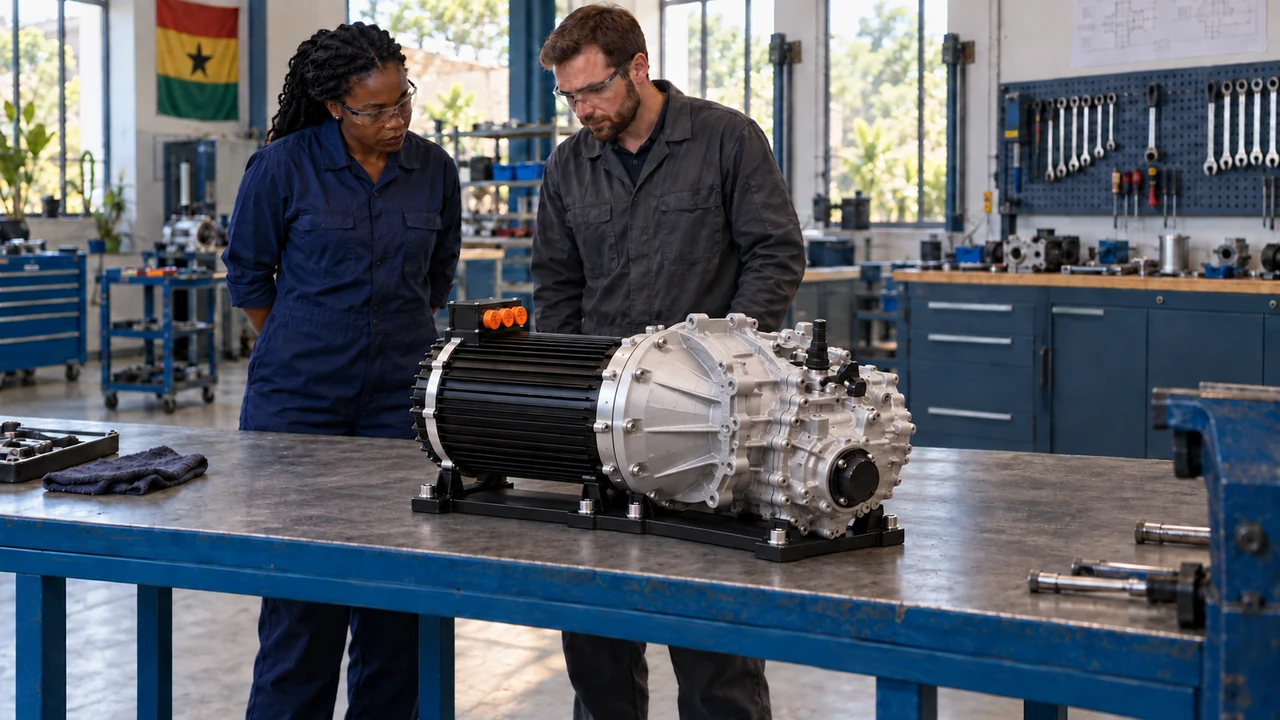
Develop mechanical assemblies, drivetrain interfaces and packaging around loads, fit, service access and the intended duty.
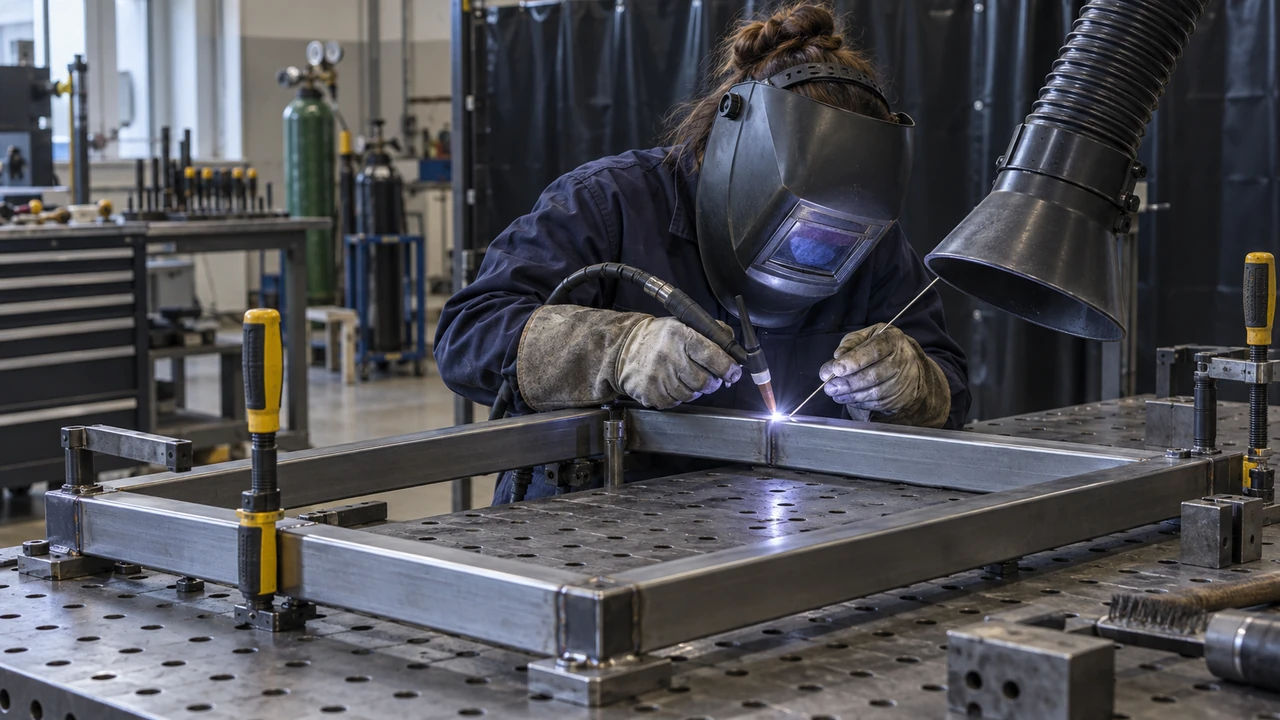
Develop mounts, frames and enclosures through material selection, joint design, welding and assembly planning.
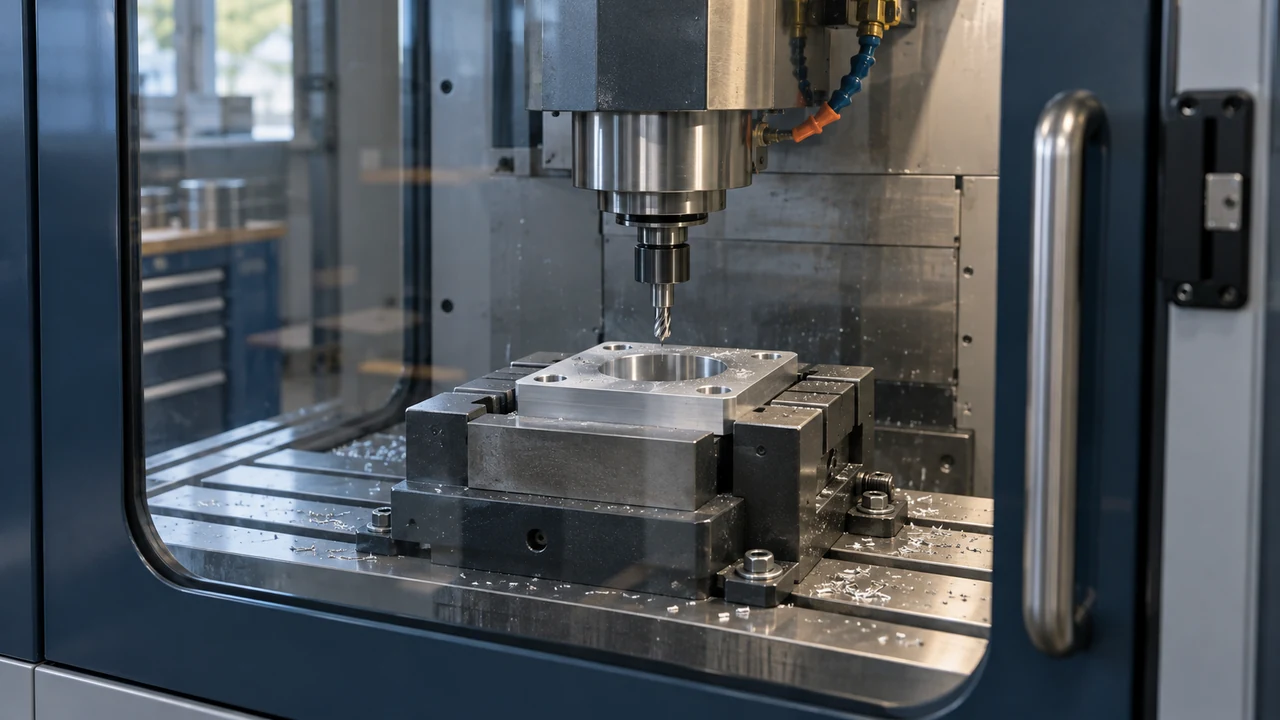
Plan CNC-machined components around geometry, material, critical features and fit, from prototype part to assembly.
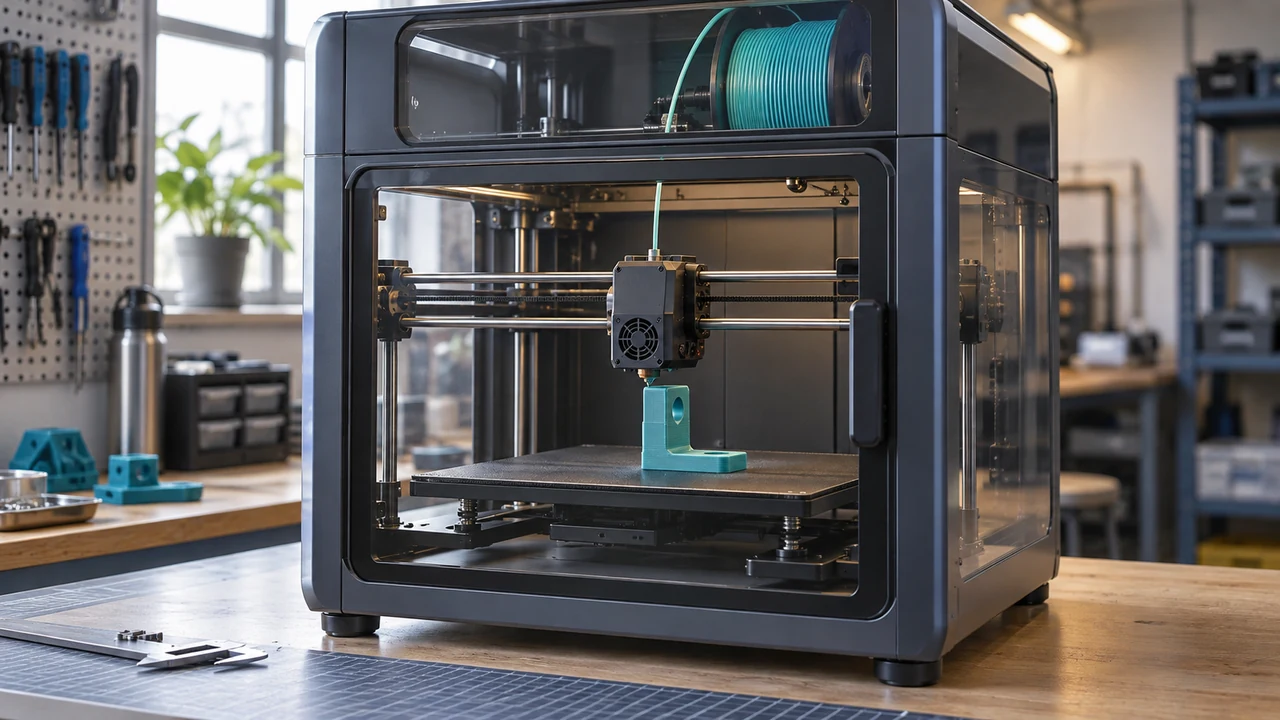
Use 3D printing to develop prototypes, fixtures and housings, exploring form, fit and assembly before further manufacture.
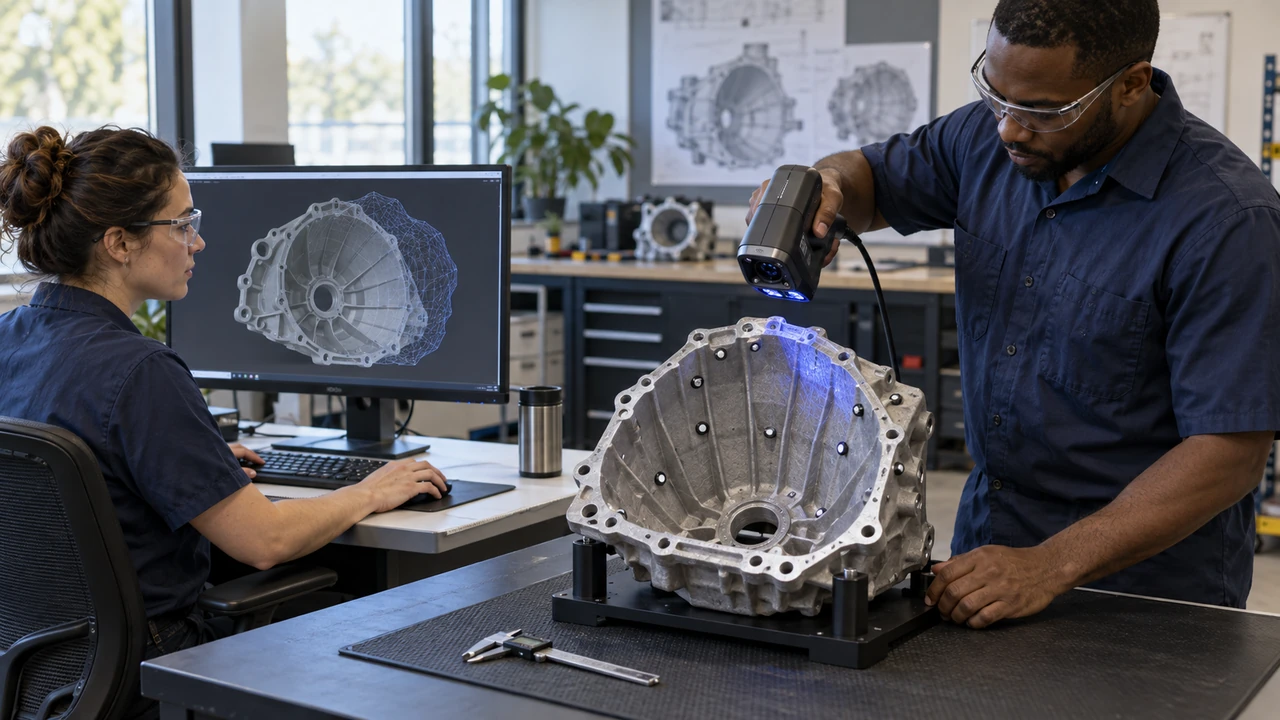
Combine 3D scanning, measurement and CAD to document existing parts and develop geometry for packaging and integration.
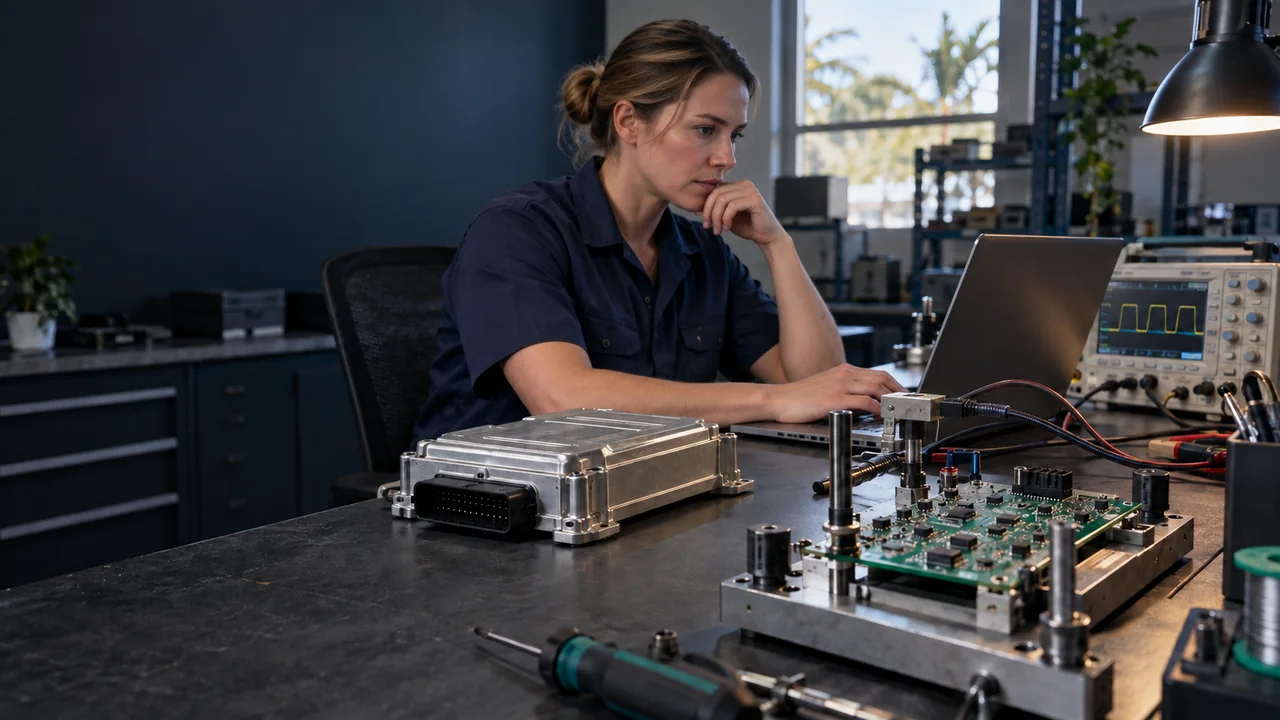
Develop sensing, embedded software, CAN communications and diagnostic interfaces as one connected control system.
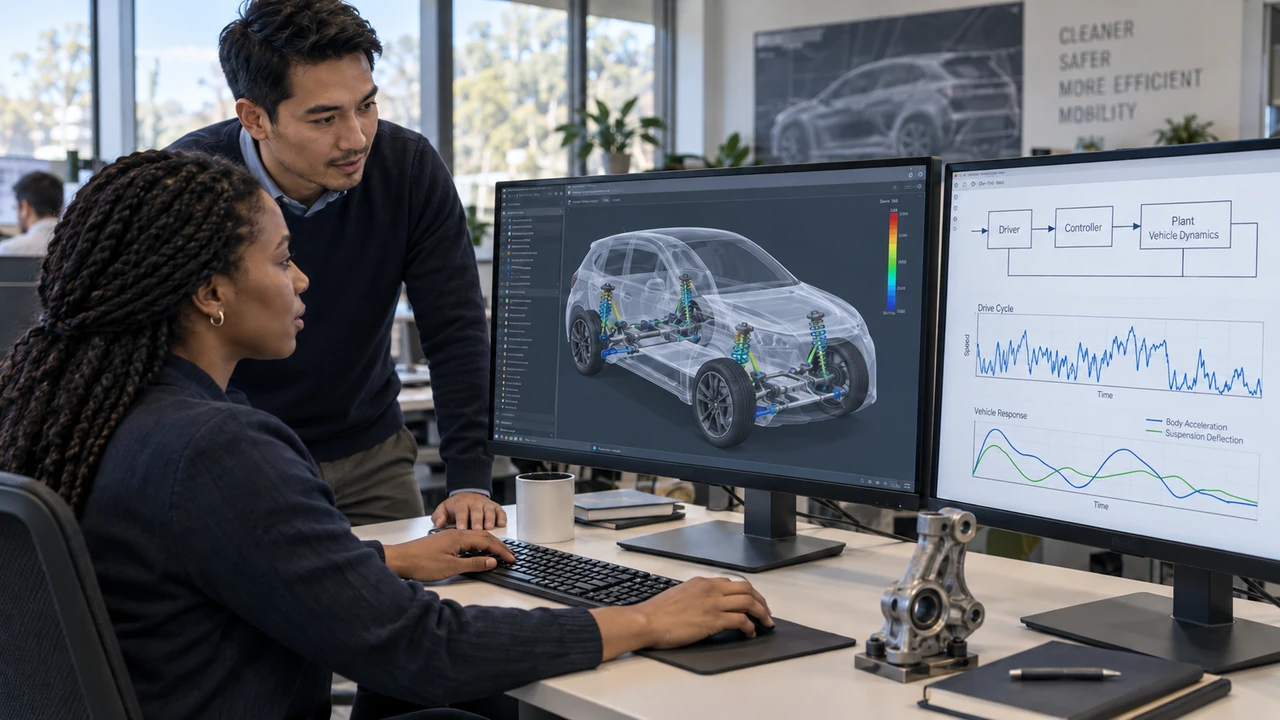
Explore vehicle and control-system behaviour through models, scenarios and configuration-specific comparisons.
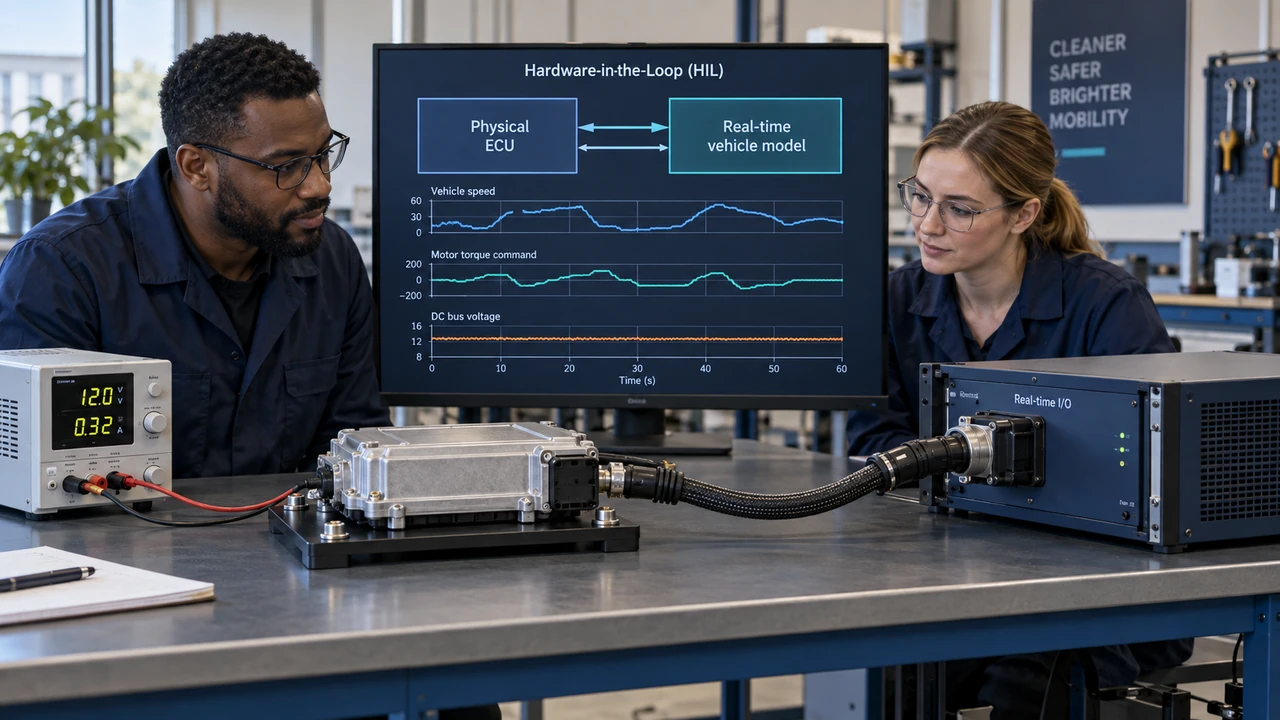
Plan model, software and hardware-in-the-loop test stages around the controller, plant model and evidence needed.
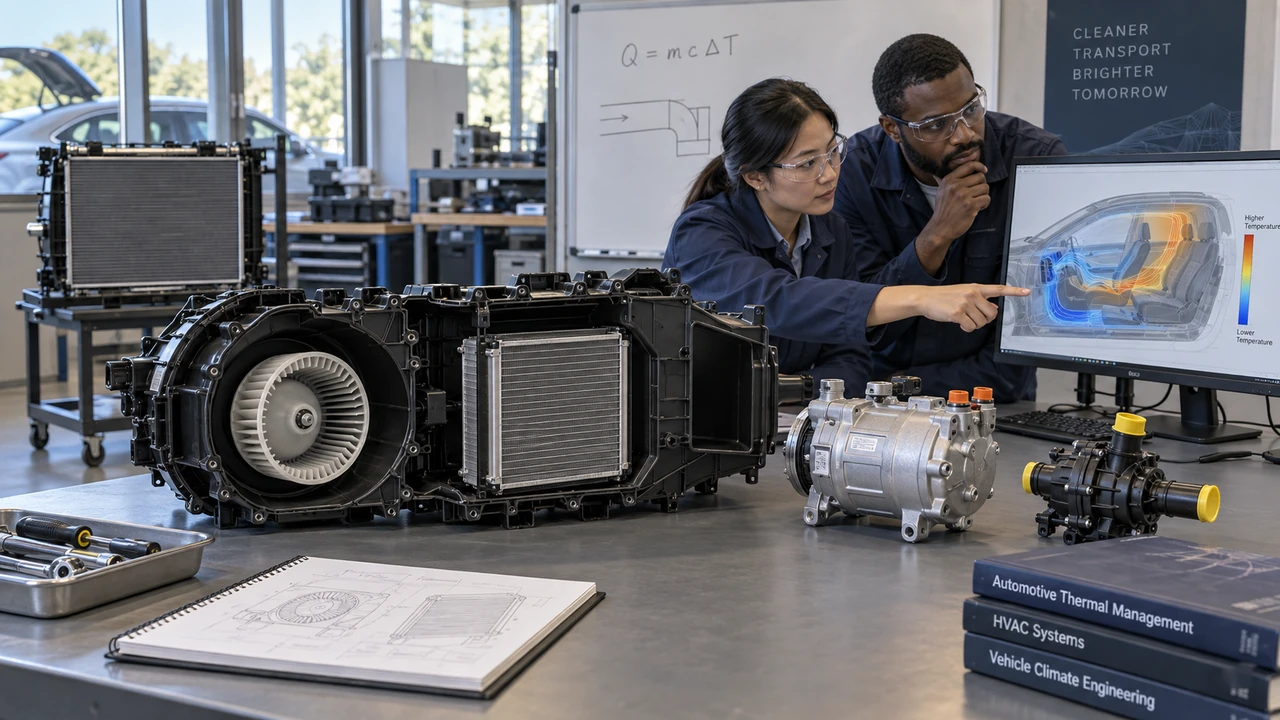
Develop cooling and airflow layouts around heat loads, packaging, ambient conditions and control requirements.
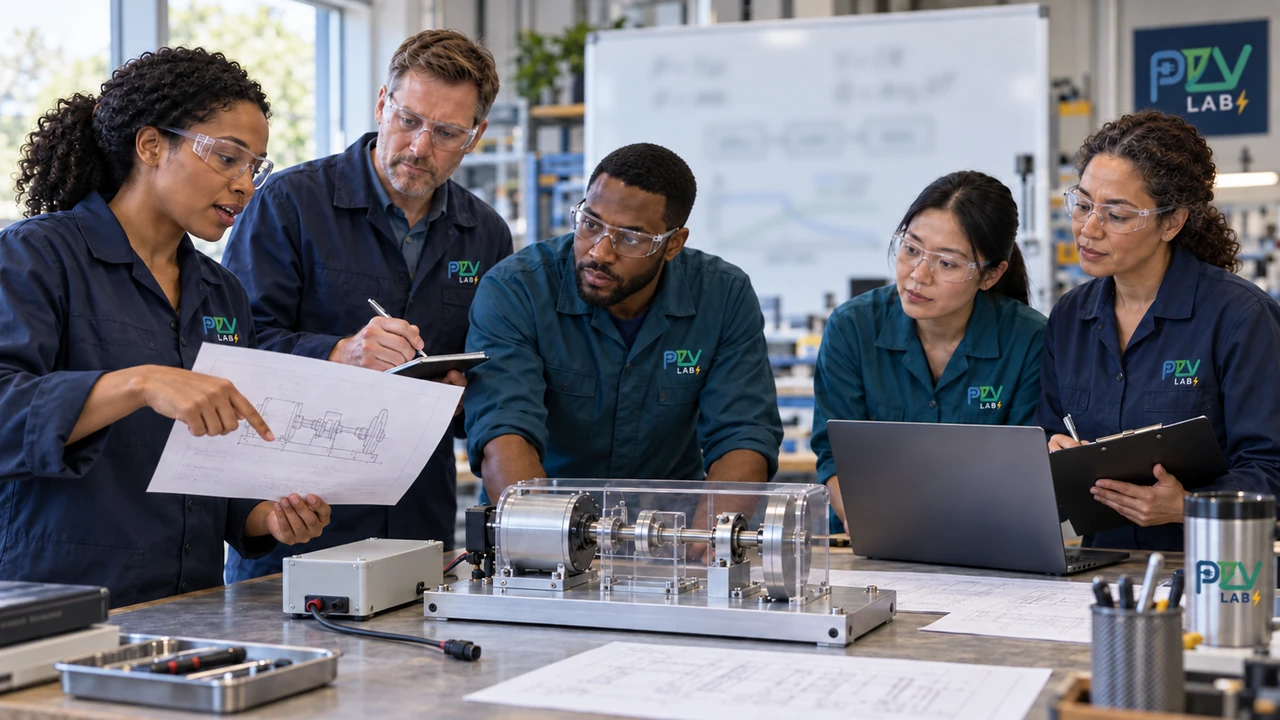
Investigate feasibility, test ideas through models and prototypes, and develop the next design decision with your team.

Support technical analysis, retrieve project knowledge and automate repeatable work, with engineers reviewing the results.
Start with the mechanical assembly, powertrain interfaces, installation space and service access. Define the fitting and integration work around the vehicle or system requirements.
Review materials, joint design, intended loading and assembly methods before agreeing the fabrication approach and inspection needs.
Bring drawings or an existing part. Agree material, critical features, fit and finishing requirements before choosing the machining approach.
Use 3D printing to explore shape, clearances and assembly. Select a material and printing process around the prototype, fixture or housing and its intended use.
Capture existing geometry through measurement and 3D scanning, then develop CAD models and drawings around interfaces, packaging and assembly requirements.
Link electrical architecture to sensing, embedded software, CAN communications and diagnostics, with verification tied to the hardware and software configuration.
Define model scope, input data and operating scenarios before comparing vehicle and control-system behaviour. Record assumptions and relate results to the model configuration.
Structure model-in-the-loop, software-in-the-loop and hardware-in-the-loop verification as distinct stages. Agree the controller, plant model, interfaces and acceptance evidence required for each stage.
Assess heat sources, cooling circuits, airflow and HVAC requirements together. Review packaging, ambient conditions, sensing and control before defining the thermal-system approach.
Plan focused investigations and prototype experiments, connecting observations to design choices. Keep assumptions, configurations and findings traceable through the next development step.
Build AI-assisted workflows that search technical sources, prepare analysis and reduce repetitive engineering work. Keep source references and human review attached to outputs.
Tell us what you need.
Tell us about the vehicle or site, how it is used, your location and the outcome you want.
Identify the interfaces, operating conditions and information needed for a meaningful assessment.
Review the proposed work, assumptions, costs and delivery stages before making a commitment.
Suitability depends on the donor vehicle's condition, available space, weight limits and intended use. Share its make, model, year and operating needs so the project can be assessed.
Both depend on the vehicle, battery capacity, integration work and duty cycle. A project-specific assessment is needed before quoting a price or estimating performance.
These systems can be considered as one energy project. Start with the site's electricity demand, available supply, space and priorities for charging or backup power.
Add products or a configured kit to your cart, then send your quotation request at checkout. Keep the receipt reference.
Browse the catalogueNo. Your selections are a project brief. Motor, battery, controls, mounting and protection require vehicle-specific checks before an offer.
No. It sends a quotation request. Equipment, price, payment terms and delivery are confirmed separately.
No. Guest checkout is available. Keep your receipt reference for follow-up.
Email sales@pev-labs.com with your reference for product or quotation questions. Use info@pev-labs.com for general enquiries.

Discuss vehicle electrification, charging requirements and energy integration for your business or fleet.
Explore mobility and energy projects shaped around local infrastructure and community needs.
Start a conversation about research collaboration, student placements and engineering development.
Explore our approach to decarbonisation, the commercial model we are developing and the milestones that shape responsible growth. Read the investment perspective.
Sustainability
Every project starts with what is already there, what can be retained and what the system needs to do.
Check the condition and suitability of existing vehicles, components and site infrastructure.
Consider access for maintenance, service life, replacement parts and end-of-life recovery.
Use the intended duty cycle and site requirements to assess power, storage and charging needs.
Tell us about your vehicle, property or energy requirements.